Pregnancy brings a long list of questions about what is and is not safe, and dental treatment is one of the most common concerns patients raise. Many pregnant women delay or avoid dental visits out of caution, but in most cases, postponing necessary dental care may create bigger problems later. Maintaining good oral health during pregnancy is important for both comfort and overall wellbeing.
What You Need to Know
Routine dental care is generally considered safe during pregnancy, and preventive dental treatment is encouraged. In many cases, delaying treatment can allow minor issues such as cavities or gum inflammation to progress into infections or more complex problems.
The second trimester, between weeks 14 and 27, is often considered the most comfortable period for non-urgent dental treatment. However, urgent dental care can be provided during any trimester when clinically necessary. Every pregnancy is different, and treatment decisions should always consider your stage of pregnancy, symptoms, and overall health.
Why Pregnancy Affects Your Oral Health
Pregnancy causes hormonal changes that can directly affect the gums and teeth. Increased levels of estrogen and progesterone can increase blood flow to the gums, making them more sensitive, swollen, and prone to bleeding. This condition, often called pregnancy gingivitis, affects a large proportion of pregnant women.
Morning sickness may also affect oral health. Frequent vomiting exposes the teeth to stomach acid, which can weaken tooth enamel over time and increase sensitivity. After vomiting, rinse your mouth with water or a fluoride mouthwash to help neutralise acid. Avoid brushing immediately, as enamel becomes temporarily softened after acid exposure. Waiting around 30 minutes before brushing may help reduce enamel wear.
Changes in eating habits and cravings for sugary or starchy foods may also increase the risk of plaque buildup and tooth decay. This makes regular dental check-ups and good oral hygiene particularly important during pregnancy.
Which Dental Treatments Are Generally Considered Safe During Pregnancy?
| Treatment | During Pregnancy | Preferred Timing |
|---|---|---|
| Routine cleaning and scaling | Generally considered safe | Any trimester |
| Dental X-rays (when necessary) | Generally considered safe with appropriate precautions | Any trimester if clinically needed |
| Local anaesthesia | Generally considered safe in recommended doses | Second trimester often preferred |
| Fillings and restorations | Generally considered safe | Second trimester often preferred |
| Root canal treatment | Can usually be performed safely when necessary | Second trimester often preferred |
| Tooth extraction (urgent) | Can be performed when clinically necessary | Second trimester often preferred |
| Elective cosmetic procedures | Usually postponed | After delivery |
| General anaesthesia | Requires specialist assessment | Avoided unless medically necessary |
Dental Cleaning and Check-ups
Professional dental cleaning is generally recommended during pregnancy. Cleanings help remove plaque and tartar that contribute to gum disease and allow dentists to identify problems before they become more serious. Because hormonal changes can increase gum sensitivity, some women may benefit from additional monitoring during pregnancy.
Some research has reported an association between severe gum disease and complications such as preterm birth or low birth weight, although the exact relationship is still being studied. This is one reason why maintaining oral health during pregnancy remains important.
Are Dental X-rays Safe During Pregnancy?
Dental X-rays are generally considered safe when clinically necessary, especially with modern digital systems that use very low radiation levels. Your dentist will carefully assess whether imaging is needed and take appropriate precautions.
Protective shielding, such as a lead apron or thyroid collar, may be used depending on clinical practice and your dentist’s assessment.
Routine X-rays that are not urgent are often postponed, but necessary imaging should not be avoided if it helps diagnose pain, infection, or dental emergencies.
Price Guides
- Hollywood Smile Price
- Metallic Braces Price
- Porcelain Veneers Price
- Wisdom Tooth Extraction Price
- Root Canal Price
Smile Makeover Cost - Teeth Cleaning Price
- Teeth Cap Price
- Dental Bridge Price
- Zirconia Crown Price
Local Anaesthesia During Pregnancy
Local anaesthetics such as lidocaine are generally considered safe during pregnancy when used in standard clinical doses. Dentists aim to use the minimum effective amount needed to keep treatment comfortable. Your dentist may adjust medications or treatment planning depending on your medical history, trimester, or any pregnancy-related complications.
Fillings and Restorations
Treating cavities during pregnancy is often preferable to delaying care, particularly if there is a risk the decay could worsen or lead to infection.
Composite fillings are commonly used for dental restorations. Existing amalgam (silver) fillings are not routinely removed during pregnancy unless clinically necessary, as unnecessary dental procedures are generally avoided during this time.
Root Canal Treatment
If a tooth becomes infected during pregnancy, root canal treatment can usually be performed safely when clinically indicated. Leaving an infection untreated may lead to worsening pain or spread of infection, which may present greater health concerns.
Pain relief options considered appropriate during pregnancy may be discussed with both your dentist and obstetrician when needed.
What to Tell Your Dentist
Always inform your dentist if you are pregnant before treatment. Share:
- How many weeks pregnant you are
- Any medications prescribed by your obstetrician
- Any pregnancy-related complications, such as gestational diabetes or high blood pressure
- Any symptoms you are experiencing
In the third trimester, lying flat for long periods may become uncomfortable for some patients. Your dentist can adjust positioning to improve comfort during treatment.
What to Avoid During Pregnancy
Elective cosmetic procedures such as teeth whitening, veneers, or smile makeovers are usually postponed until after delivery.
Evidence regarding the safety of cosmetic whitening during pregnancy is limited, which is why many dental professionals recommend waiting until after birth for non-essential cosmetic treatment.
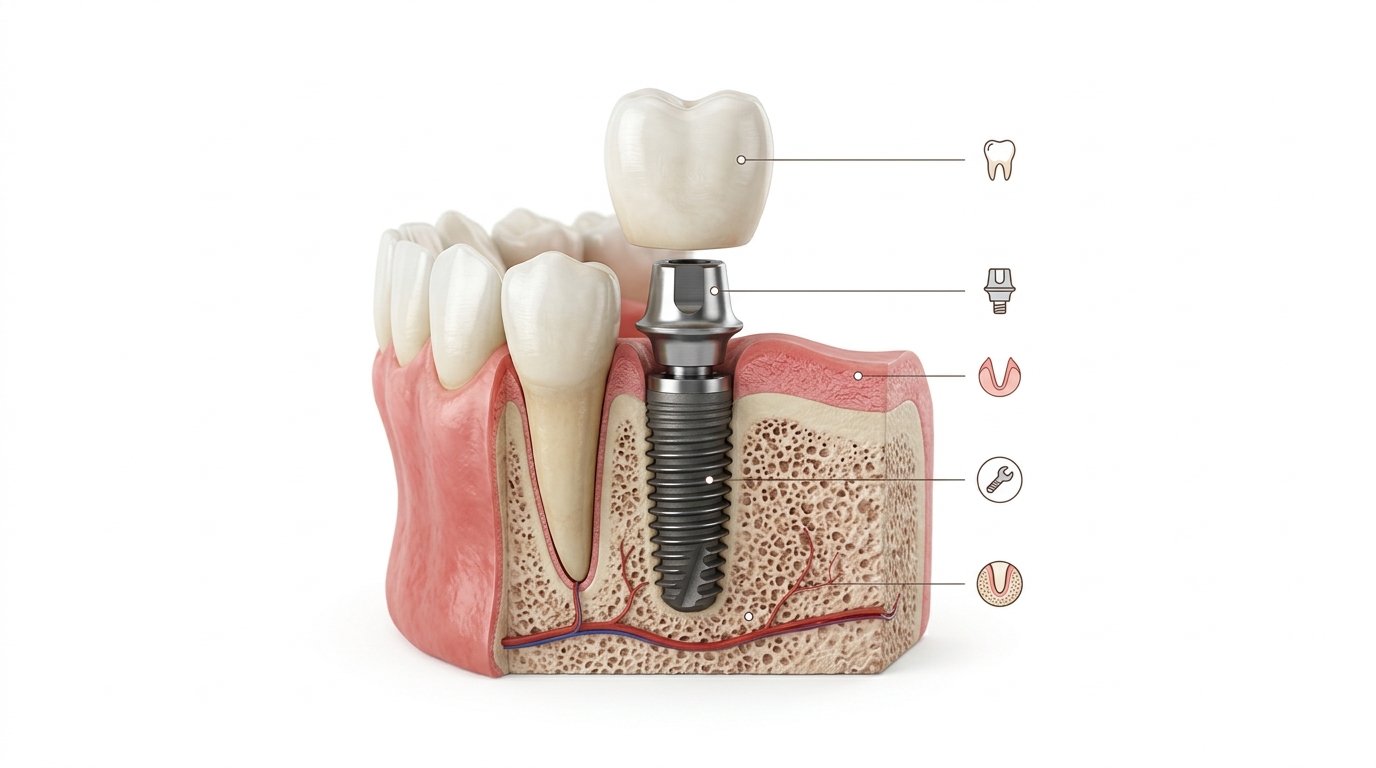
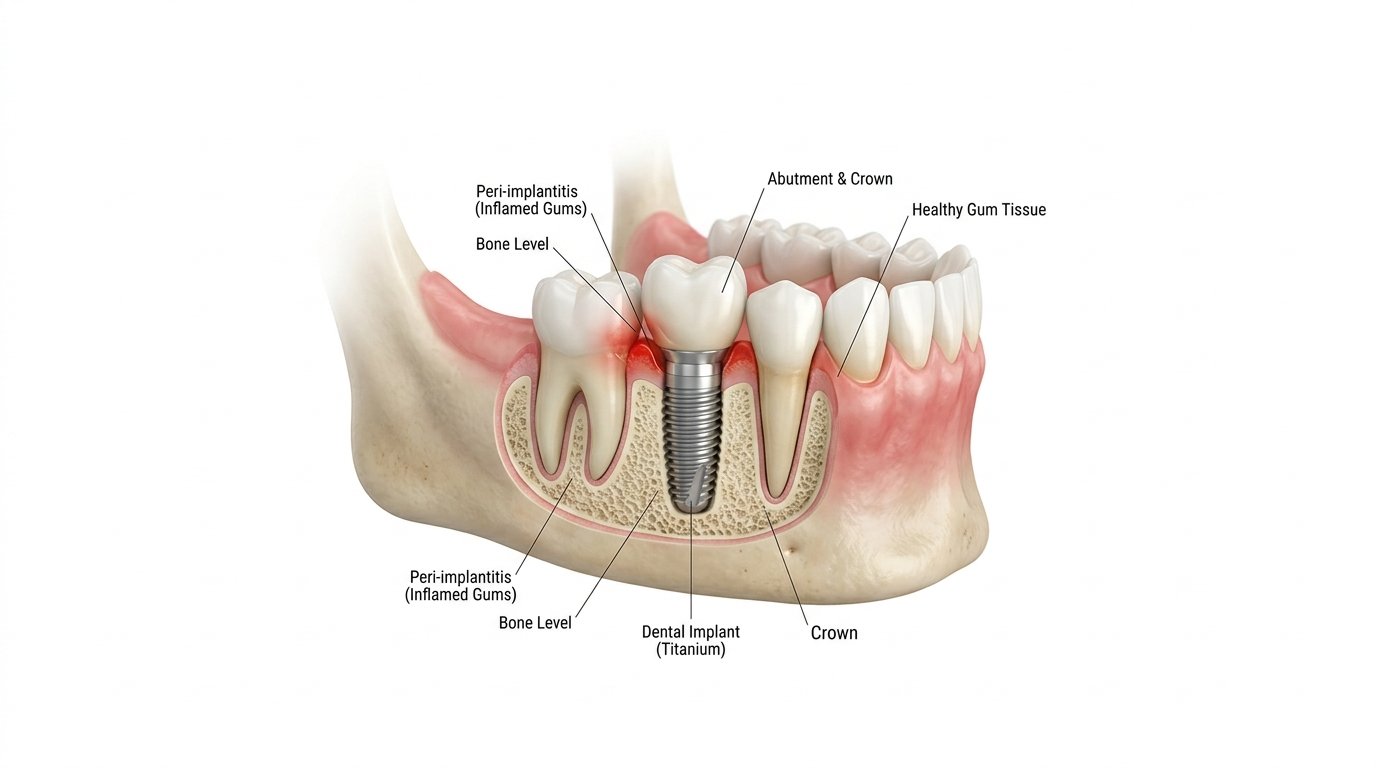
Dental implants may also be delayed because they involve surgery and healing that can often be managed more comfortably after pregnancy.
Oral Health Tips During Pregnancy
Maintaining a consistent oral hygiene routine can help reduce common dental issues during pregnancy.
- Brush twice daily using fluoride toothpaste
- Floss daily to help reduce gum inflammation
- Stay hydrated to reduce dry mouth
- Limit frequent sugary snacks where possible
- Rinse after vomiting and wait before brushing
- Attend routine dental check-ups as advised
If strong mint flavours trigger nausea, switching to a milder toothpaste may help make brushing more manageable.
A balanced diet that includes calcium, phosphorus, and vitamin D supports both maternal oral health and the baby’s developing teeth and bones.
Frequently Asked Questions
Can I take painkillers after a dental procedure while pregnant?
Paracetamol (acetaminophen) is generally considered appropriate during pregnancy when used in recommended doses. Non-steroidal anti-inflammatory drugs (NSAIDs), such as ibuprofen, are often avoided during pregnancy, particularly in later stages unless specifically advised by a doctor.
Always consult your dentist, obstetrician, or healthcare provider before taking medications during pregnancy.
Will dental treatment affect my baby?
Routine dental treatment using commonly recommended local anaesthetics is generally considered safe during pregnancy when clinically appropriate. Treating infections and dental pain promptly is often preferable to delaying care, as untreated infections may also affect overall health.
Is teeth cleaning safe during pregnancy?
Yes. Professional cleaning is generally considered safe and is commonly recommended during pregnancy. Because gum inflammation is common during pregnancy, some patients may benefit from additional monitoring or cleaning visits.
My gums bleed when I brush. Is this normal during pregnancy?
Bleeding gums are common during pregnancy because hormonal changes may increase gum sensitivity and inflammation. Continue brushing gently and flossing daily, and inform your dentist if bleeding becomes persistent or severe.
Can a dental infection affect pregnancy?
Untreated dental infections can become more serious if ignored. Some research has reported an association between severe gum disease and adverse pregnancy outcomes, which is why dentists generally recommend timely treatment of infections during pregnancy.
Should I get a dental check-up before or during pregnancy?
Ideally, both. A pre-pregnancy dental visit allows existing issues to be treated beforehand. If pregnancy has already begun, arranging a check-up early helps monitor oral health and address concerns promptly.
Important Medical Note
Every pregnancy is different. Patients with high-risk pregnancies or medical complications should inform both their obstetrician and dentist before treatment so care can be tailored appropriately.
Get Expert Dental Care at The Dental Clinic
The Dental Clinic in Karachi provides considerate dental care for pregnant patients at different stages of pregnancy. Treatment planning is adjusted according to trimester, comfort, and medical requirements.
Dr. Saqib Minhas and his team have experience helping patients manage dental concerns during pregnancy, from routine cleaning to urgent dental treatment. The team provides clear guidance on what may be appropriate now, what can safely wait, and when further medical coordination may be helpful.
If you are pregnant and unsure whether a dental concern needs attention, consider booking a consultation with The Dental Clinic to discuss your options and receive professional guidance tailored to your needs.
Services We offer:
Titanium Implants | Swiss Implants | German Implants | Korean Implants
Composite Bonding | Fluoride Treatment | Teeth Gap Closure | Invisible Aligners