
Best Dental Implant Services in Karachi
Dental Implants in Karachi – From PKR 110,000
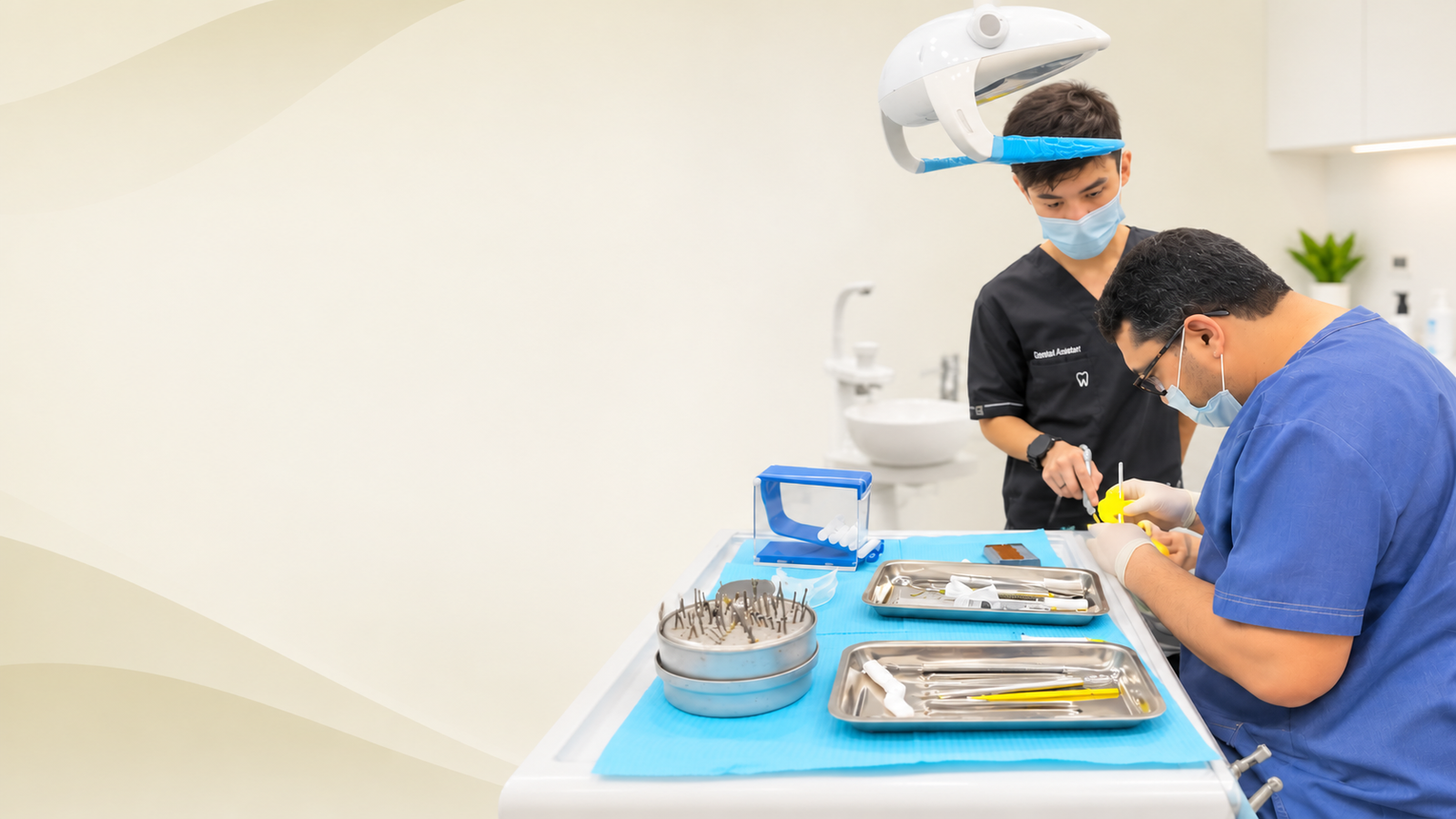
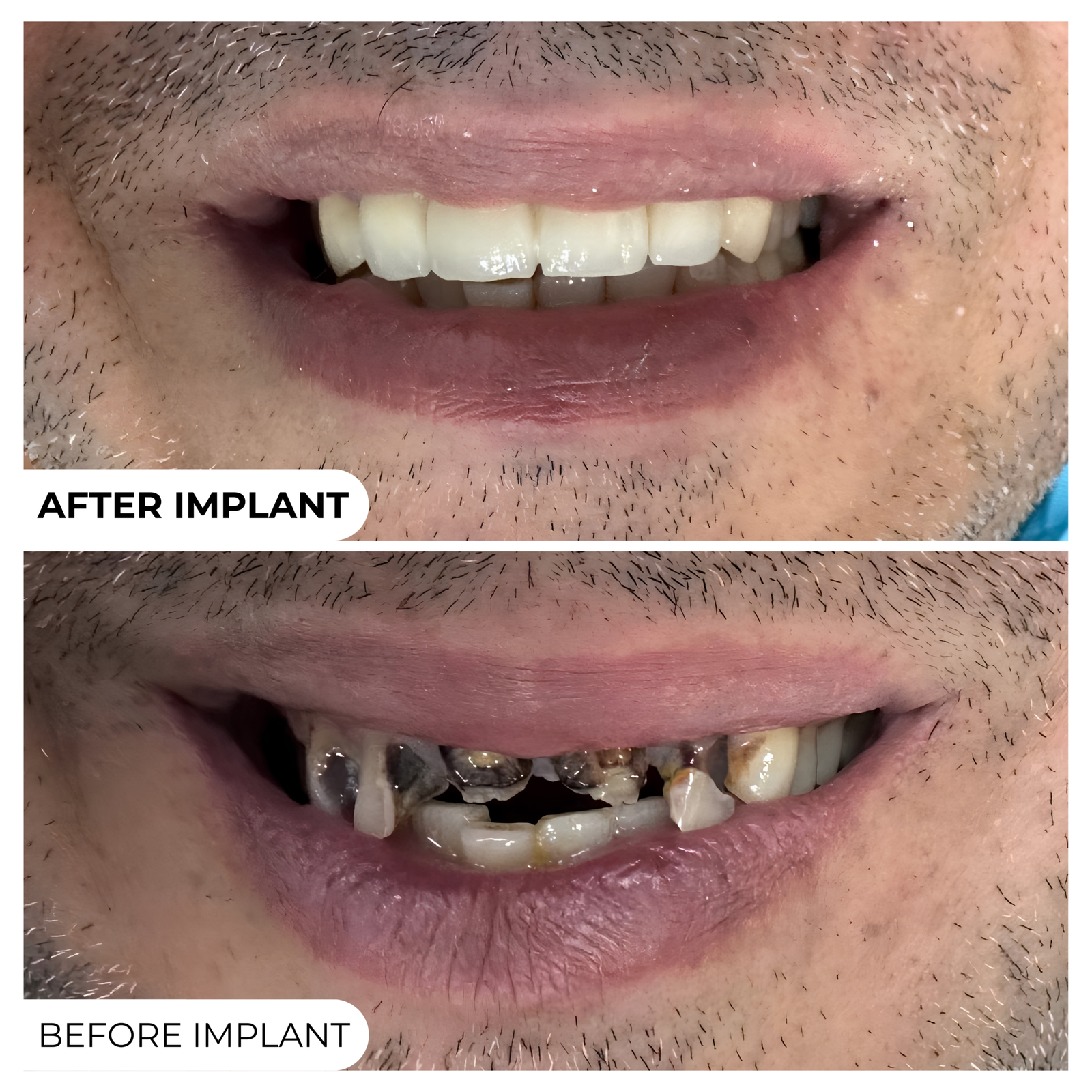
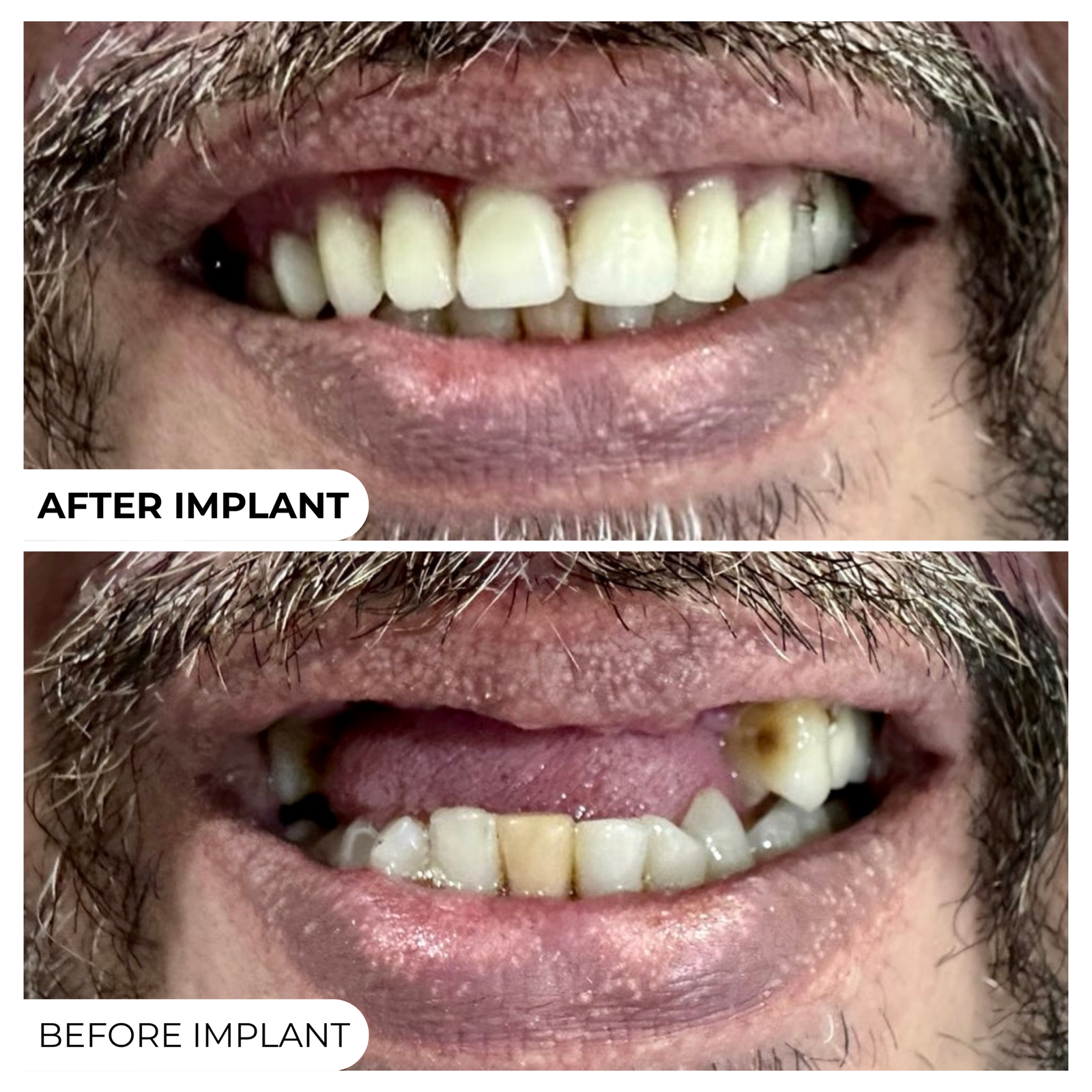
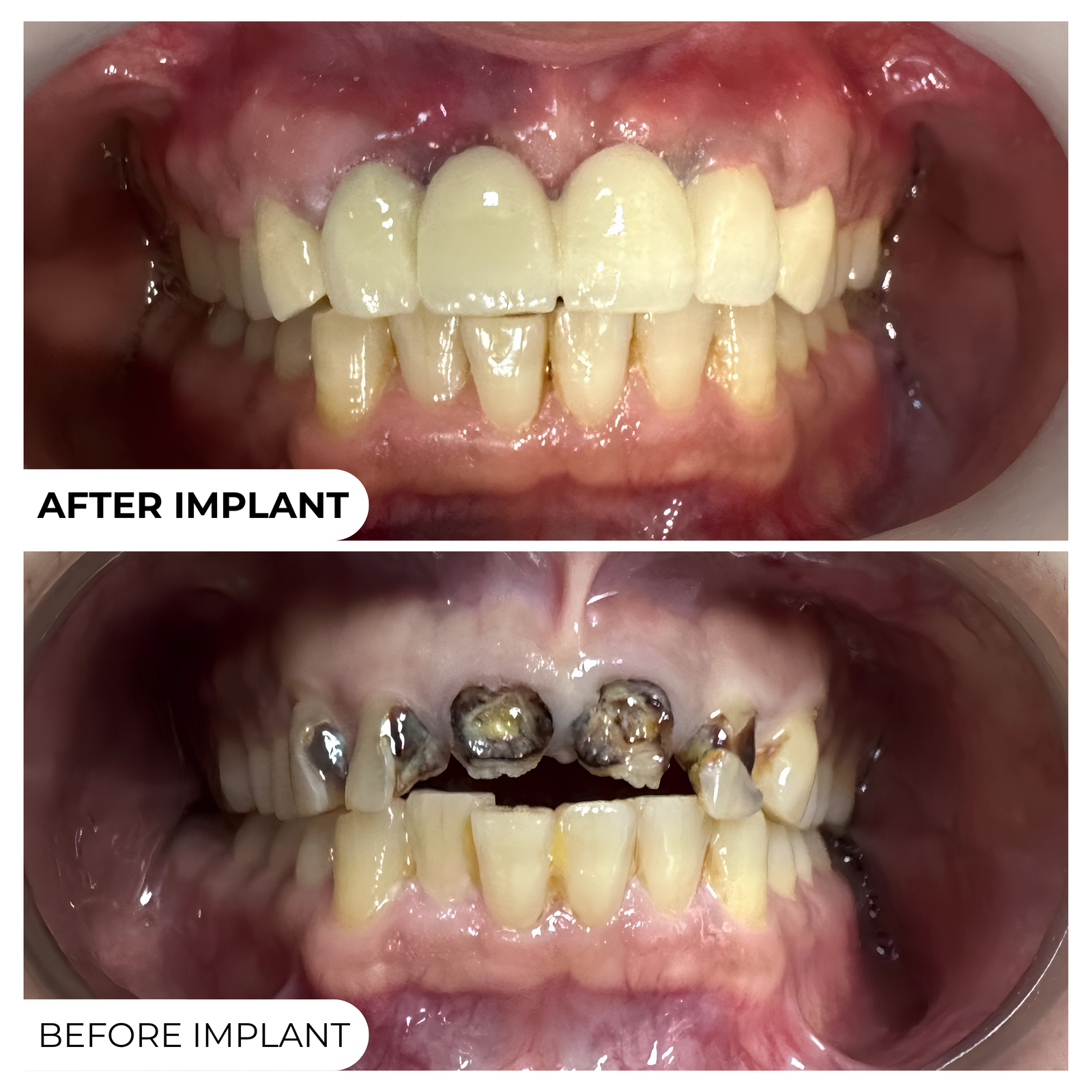
Dental implants at The Dental Clinic offer a long-term solution by replacing the tooth root with an implant that supports a natural-looking crown. Led by Dr. Saqib Minhas, our clinic provides multiple implant systems, including Korean, American, and Straumann Swiss options.
Dental implant cost starts from PKR 110,000 for the implant fixture. The crown is charged separately, starting from PKR 30,000, with the final estimate depending on your chosen implant system and clinical requirements.
Book your dental implant consultation in Karachi today.
Dental Implants in Karachi – From PKR 110,000
Dental implants at The Dental Clinic offer a long-term solution by replacing the tooth root with an implant that supports a natural-looking crown. Led by Dr. Saqib Minhas, our clinic provides multiple implant systems, including Korean, American, and Straumann Swiss options.
Book your dental implant consultation in Karachi today.
Why Choose The Dental Clinic for Dental Implants?
At The Dental Clinic Karachi, patients can explore suitable dental implant options based on their individual needs. Our approach focuses on careful assessment, personalized treatment planning, and clear communication to help you understand the procedure, available options, and expected costs before starting treatment.
Personalized Treatment Plans
Every patient has different dental needs. Our dental implant surgeon assesses your oral health, gums, jawbone and missing teeth before recommending a suitable treatment plan.
3D Dental Imaging
A 3D CBCT scan may be recommended to assess jawbone volume, nearby structures and implant positioning, helping determine whether additional procedures, such as bone grafting, are needed.
Comfortable Implant Surgery
Implant placement is generally performed under local anaesthesia to manage discomfort. Your dentist explains the procedure, what to expect and the aftercare needed for recovery.
Implant Options for Your Needs
We offer different implant systems and crown options. Your dentist explains their features and costs to help you choose an option suited to your oral health and treatment needs.
Good treatment starts with a good conversation.
What Dental Implant Options Can You Choose From?
The right dental implant depends on your clinical needs, the number of missing teeth, and your treatment budget. The Dental Clinic offers several implant systems and crown options for eligible patients.
Which Dental Implant Brand Fits Your Treatment Needs?
Korean Dental Implant
An alternative for patients comparing implant systems across different price ranges. Your dentist can explain the specific system available and whether it suits your case.
American Dental Implant
An option for patients interested in American-manufactured implant systems. Your dentist can discuss the available system, treatment requirements, and overall cost.
How Does the Dental Implant Procedure Work?
The dental implant procedure involves several stages designed to replace a missing tooth with a stable, functional restoration. From the initial examination to the placement of the final crown, each step is planned according to your oral health, jawbone condition, and treatment needs.
1. Initial Consultation and 3D Dental Scan
The procedure begins with a dental examination to assess your teeth, gums, and jawbone. Your dentist may recommend dental X-rays or a 3D CBCT scan to evaluate bone volume and identify important anatomical structures. These findings help determine implant placement, assess suitability, and identify any additional treatment required.
2. Personalized Treatment Planning
After reviewing your examination and scans, the dentist develops a treatment plan based on the number of missing teeth, bone condition, and selected implant system. This stage includes discussing the procedure, expected healing period, restoration options, and estimated costs.
3. Tooth Extraction & Bone Preparation
If a damaged tooth remains, it may need to be extracted before implant placement. Patients with insufficient jawbone may also require bone grafting or another preparatory procedure. These treatments depend on individual clinical findings and may require additional healing time before the implant can be placed safely.
4. Surgical Dental Implant Placement
During implant surgery, appropriate local anaesthesia is administered to manage discomfort. The dentist accesses the jawbone, prepares a precise site, and positions the dental implant. The gum is then managed according to the surgical technique.
5. Healing & Abutment Placement
Following surgery, the implant gradually integrates with the surrounding jawbone through a process called osseointegration. This commonly takes several months, depending on bone quality and individual healing. Once sufficient stability is achieved, the dentist attaches an abutment, which connects the implant to the final crown.
6. Crown Placement & Final Adjustments
After the implant is ready for restoration, the dentist takes impressions or digital scans to create a custom crown. The crown is selected to complement your natural teeth and bite. Once attached, its fit, appearance, and chewing contact are checked, with adjustments made as needed for comfortable function.
Which Dental Implant Crown Should You Choose?
Zirconia Crown on a Dental Implant
Zirconia crowns are often considered when appearance and strength are important, particularly for visible teeth. Your dentist will assess your bite and clinical requirements before recommending a crown material.
Screw-Retained Crown on an Implant
This crown is secured to the implant using a screw. Depending on the case, it may offer advantages for maintenance and future access to the restoration.
Cemented Crown on an Implant
This crown is attached to the implant abutment using dental cement. Its suitability depends on implant position, restoration design, and the clinical circumstances.
How Much Does a Dental Implant Cost in Karachi?
The cost of a dental implant depends on the implant system, crown type, number of teeth being replaced, and whether additional procedures are needed.
Dental Implants vs. Bridges vs. Dentures
Dental implants, bridges, and removable dentures offer different ways to replace missing teeth. They vary in how they are supported, whether surgery is required, how they are maintained, and which patients may be suitable candidates.
There is no single best option for everyone. Your dentist can help you compare the cost, treatment time, maintenance requirements, and expected function of each option based on your dental condition and individual needs.
Dentists in Nearby Areas
Explore dental implant specialists in other parts of Karachi.
- Dentists in Sharfabad
Before you book.
Dental treatment can raise a lot of questions. Here are the answers patients most often need before their first visit.
Local anaesthesia is used during implant placement to help control pain. Mild soreness, swelling, or tenderness may occur after the procedure and usually improves over the following days. Your experience depends on the complexity of treatment and your individual healing response.
Postoperative discomfort often improves within a few days, although some tenderness may last longer. Follow your dentist’s instructions and seek advice if pain becomes worse, persists unexpectedly, or occurs with increasing swelling or fever.
A dental implant can last for many years, but no specific lifespan can be guaranteed. Oral hygiene, gum health, smoking, general health, and regular maintenance all influence long-term outcomes. The crown may also need repair or replacement over time.
Treatment may take several months because the implant often needs time to integrate with the jawbone before the final crown is placed. Bone grafting, sinus lifting, or other clinical requirements may extend the timeline. Your dentist can provide an estimate after assessment.
Possibly. The amount and location of bone loss determine whether an implant can be placed directly or whether bone grafting or another approach may be needed. An examination and suitable imaging help your dentist assess your options.
No. Bone grafting is only recommended when additional bone support is needed for the planned implant. Patients with adequate bone may not require it. Your dentist will explain whether grafting is necessary and how it could affect treatment time and cost.
Smoking can increase the risk of healing problems and implant complications. Your dentist will assess your smoking history, gum health, and other risk factors. Reducing or stopping smoking can help improve the conditions for healing.
Some people with diabetes may be suitable for dental implants, particularly when their condition is well managed. Uncontrolled blood sugar can affect healing and increase the risk of complications. Discuss your medical history and current management with your dentist before treatment.
Implant failure can involve problems with integration, infection, or the bone and gums supporting the implant. If you notice movement, persistent pain, swelling, or bleeding, arrange a dental assessment promptly. Treatment depends on the cause and the condition of the surrounding tissues.
A custom-made implant crown can be designed to match the colour, shape, and proportions of your other teeth. The final appearance depends on the position of the implant, gum health, crown design, and individual clinical factors.
All-on-4 uses four strategically positioned implants to support a full arch of replacement teeth in selected patients. It may be suitable for some people with extensive tooth loss, but eligibility depends on bone condition, bite, and overall oral health. Your dentist can assess whether this or another full-arch option is appropriate.
Why Do Patients Consider The Dental Clinic for Dental Implant Treatment?
The Dental Clinic in Gulshan-e-Iqbal, Karachi, provides dental implant options for patients with different tooth-replacement needs. Dr. Saqib Minhas brings over 17 years of hands-on practice.
Our focus is on understanding your dental concerns, explaining available options, and creating a treatment plan based on your individual needs. During your consultation, you can discuss implant brands, crown choices, expected costs, and the follow-up care involved.
When choosing a dental implant provider, we encourage patients to ask questions, review the proposed treatment plan, and understand the benefits and limitations of each option.