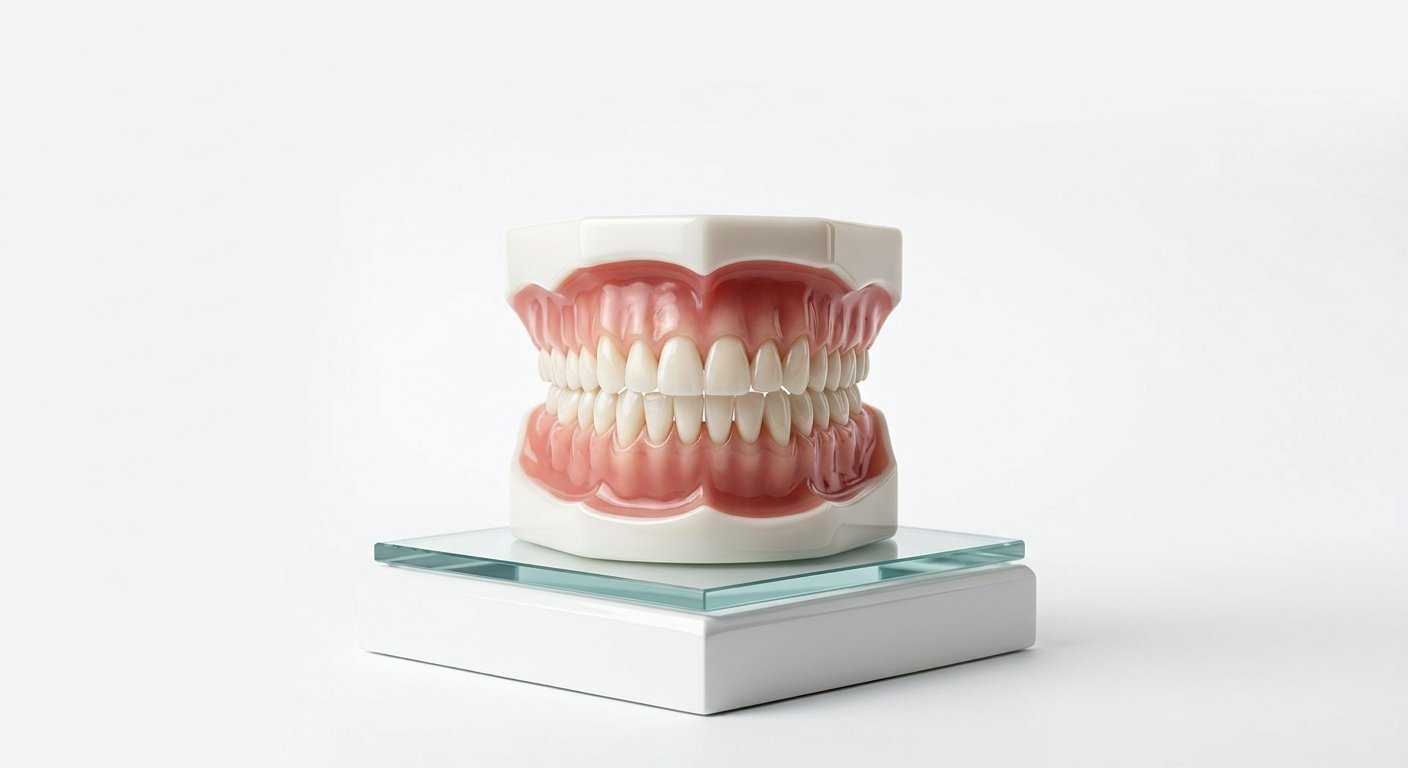
If you wear dentures and have noticed redness, soreness, or irritation on the roof of your mouth, you may be dealing with more than general sensitivity. Denture stomatitis is one of the most common oral health conditions among denture wearers, yet most people do not recognise it until it becomes uncomfortable enough to interfere with eating or speaking.
This guide explains what it is, why it happens, and where patients in Karachi can get proper treatment.
What Is Denture Stomatitis?
Denture stomatitis is an inflammation of the soft tissue that sits directly beneath a denture. It most commonly develops on the palate, which is the roof of the mouth, but can also appear on the gum tissue under a lower denture.
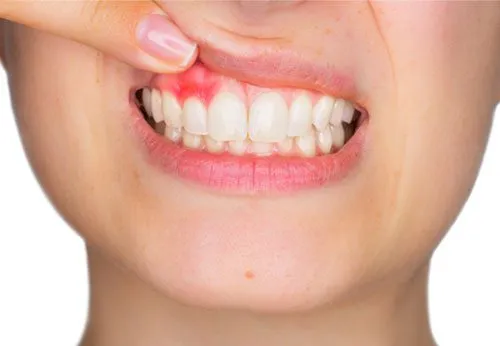
The affected area typically looks red, swollen, and sometimes slightly raised or bumpy. In most cases it causes no pain in the early stages, which is exactly why many patients ignore it. By the time discomfort sets in, the condition has usually been present for a while.
It is not a rare condition. Studies estimate that denture stomatitis affects up to 65 to 70 percent of complete denture wearers. The primary trigger in most cases is an overgrowth of Candida albicans, a fungus that is naturally present in the mouth but multiplies when conditions allow it to. In some cases, however, mechanical irritation from a poorly fitted denture is the main driver, even without significant fungal involvement.
What Causes Denture Stomatitis?
The most significant contributing factor is wearing dentures continuously without removing them, particularly overnight. When dentures stay in the mouth around the clock, the tissue underneath has no recovery time and moisture becomes trapped, creating the ideal environment for fungal overgrowth.
Poor denture hygiene is the second major cause. Dentures that are not cleaned thoroughly accumulate plaque and bacteria on their surface, which transfers directly to the tissue beneath.
Ill-fitting dentures also play a significant role. When a denture does not sit correctly, it creates constant friction against the gum tissue. Tissue that is repeatedly irritated this way becomes far more vulnerable to infection than healthy, intact tissue.
Other contributing factors include a weakened immune system, dry mouth caused by certain medications, poorly controlled diabetes, and a high sugar intake. Smoking also increases susceptibility.
What Are the Symptoms?
The most visible sign is persistent redness on the palate or gum tissue covered by the denture. In some cases the tissue appears smooth and shiny. In others it develops a granular or bumpy texture, which indicates a more progressed stage of the condition.
Mild soreness or a burning sensation is common, particularly when eating acidic or spicy food. In more advanced cases, cracks can appear at the corners of the mouth. This related condition is known as angular cheilitis and frequently occurs alongside denture stomatitis.
Many patients assume the redness is simply irritation from their denture and manage it with over-the-counter products. Without addressing the underlying cause, the condition will not resolve on its own.
How Is Denture Stomatitis Treated?
Treatment works on two levels: clearing the infection and correcting the habits or fit issues that caused the problem in the first place.
Your dentist will prescribe antifungal medication, which may be a gel, a rinse, or an oral tablet depending on how advanced the condition is. The denture itself must also be disinfected as part of treatment. The fungus lives on the fitting surface of the denture and will reinfect the tissue if the appliance is not properly cleaned and treated alongside the mouth.
Your dentist will also advise removing the denture at night to give the tissue underneath time to breathe and recover. Daily cleaning of the denture using a proper brush and soaking solution is essential throughout the treatment period.
If the denture is old or no longer fitting correctly, relining or replacement is often necessary. A denture that continues to press or rub against the tissue will undo any treatment that has been applied.
In cases where the tissue has significantly changed in texture, a minor corrective procedure may be recommended before a new denture is fitted. Your dentist will advise if this applies to your situation.
Why You Should Not Delay Treatment
Denture stomatitis does not pose an immediate serious risk, but leaving it untreated creates a cycle that becomes harder to break. The longer the condition continues, the more the tissue changes, and the more difficult it becomes to achieve a good denture fit. This leads to increased discomfort, difficulty eating, and a greater risk of the infection spreading.
Patients who wear dentures should have their oral tissue checked at every routine dental visit, even when no symptoms are present. Early detection makes treatment straightforward.
Where to Get Denture Stomatitis Treatment in Karachi
For patients in Karachi, The Dental Clinic is a trusted option for diagnosis and treatment of denture-related oral conditions. The clinic operates from two locations in Gulshan-e-Iqbal and DHA Zamzama, with proper diagnostic protocols and experienced dentists at both.
Dr. Saqib Minhas, the lead dentist at The Dental Clinic, brings nearly 17 years of hands-on clinical experience in general and restorative dentistry. He takes a thorough, patient-first approach to every case, beginning with a complete clinical examination before any treatment is recommended. Patients dealing with denture discomfort, tissue changes, or persistent mouth soreness are assessed with the full picture in mind, not just the visible symptom.
If you wear dentures and have noticed redness, soreness, or any changes in the tissue inside your mouth, do not assume it will resolve on its own. Book a consultation at The Dental Clinic and get a clear, accurate diagnosis from an experienced clinician.
Visit thedentalclinic.com.pk or call 03160200011 to schedule your appointment.