Bone loss in the jaw is one of the most common reasons patients assume they are no longer eligible for dental implants. It is also one of the most common misconceptions in implant dentistry. The reality is more nuanced, and for most patients, bone loss is a problem that can be addressed rather than a permanent barrier.
What You Need to Know
Yes, you can often still get a dental implant even with bone loss. Whether you need additional treatment beforehand depends on how much bone has been lost and where in the jaw the deficiency is located. A 3D scan of your jaw is the only reliable way to determine your eligibility and what steps are needed.
Why Jawbone Loss Happens
When a tooth is extracted or falls out, the jawbone in that area no longer receives stimulation from chewing. Without that mechanical load, the body begins reabsorbing the bone in a process called resorption. Bone loss after tooth extraction can begin within weeks and continues gradually over months and years if the missing tooth is not replaced.
Gum disease (periodontitis) is another leading cause. Advanced periodontitis destroys the bone and tissue supporting the teeth, often progressing silently before patients notice visible changes. Trauma, long-term denture use, and chronic oral infections can also cause significant bone deterioration over time.
How Much Bone Do You Need for an Implant?
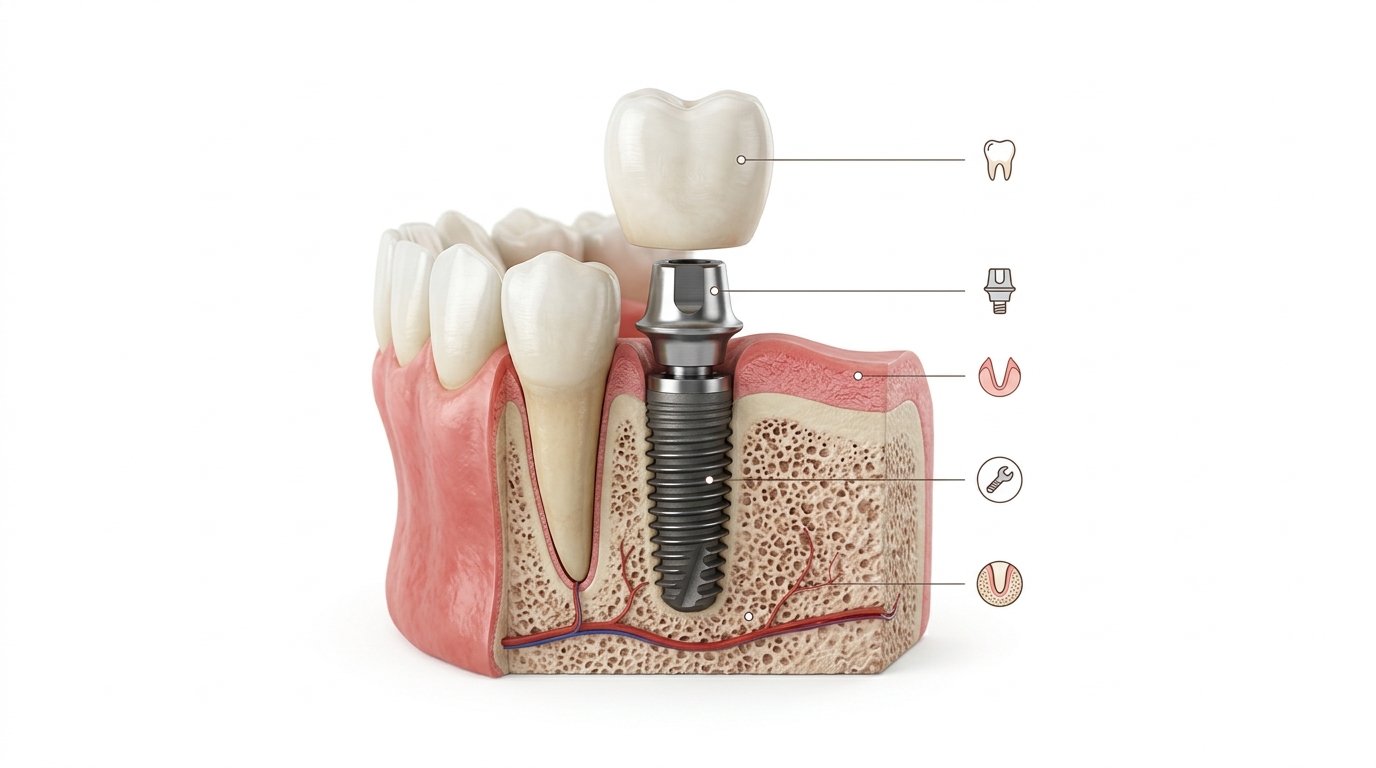
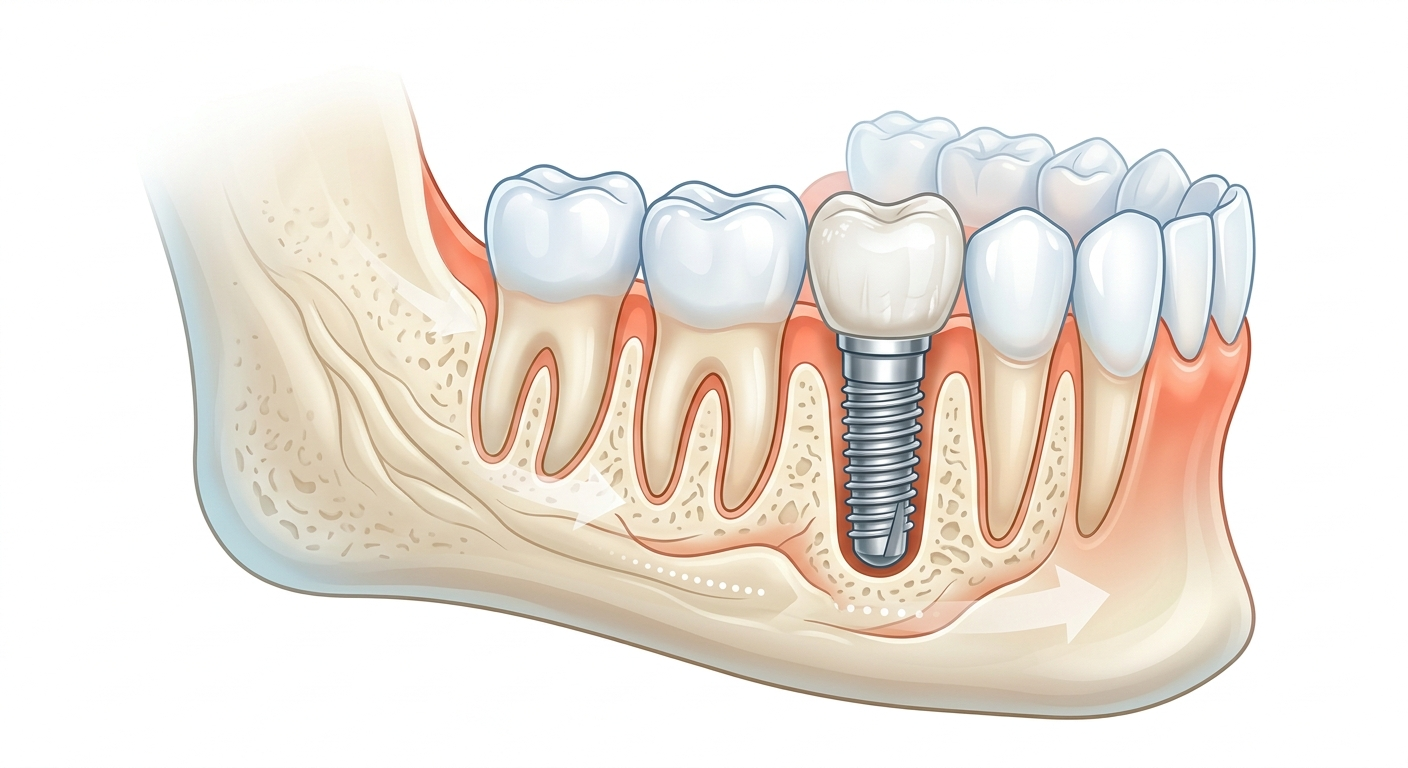
A dental implant is a titanium post inserted directly into the jawbone, where it fuses with the surrounding bone through a biological process called osseointegration. For this fusion to succeed, there must be adequate bone in three dimensions: sufficient height, width, and density.
When bone volume falls below the minimum threshold, the implant has no stable foundation. Placing an implant in deficient bone results in poor osseointegration, implant instability, and eventual failure. This is why bone assessment is one of the first steps in any implant consultation.
Price Guides
- Hollywood Smile Price
- Metallic Braces Price
- Porcelain Veneers Price
- Wisdom Tooth Extraction Price
- Root Canal Price
Smile Makeover Cost - Teeth Cleaning Price
- Teeth Cap Price
- Dental Bridge Price
- Zirconia Crown Price
Bone Grafting: How Bone Loss Is Corrected
What Is a Bone Graft?
A bone graft rebuilds missing or deteriorated jawbone so it can support an implant. The graft material is placed in the deficient area, where it acts as a scaffold that encourages your body to grow new bone tissue. Once the new bone has matured and integrated, the site is ready for implant placement.
Graft material can come from your own body (autograft), from a processed donor source (allograft), from bovine bone (xenograft), or from synthetic materials. Your dentist will select the most appropriate source based on the size of the deficiency and the clinical requirements of your case.
Types of Bone Grafting Procedures
| Procedure | What It Does | Best For |
|---|---|---|
| Socket Preservation Graft | Fills the extraction socket immediately after tooth removal | Preventing bone loss before an implant is planned |
| Ridge Augmentation | Rebuilds width and height of the jaw ridge | Existing bone loss along the jaw |
| Sinus Lift | Adds bone between the upper jaw and the sinus floor | Upper back teeth with insufficient vertical bone height |
| Block Bone Graft | Transplants a solid block of bone to a severely deficient area | Large-scale bone loss requiring significant volume |
A socket preservation graft is the most preventive of these options. Placing graft material into the socket at the time of extraction prevents the bone walls from collapsing inward during healing and significantly reduces the amount of bone lost before an implant can be placed.
The Sinus Lift Explained
The sinus lift is a procedure used specifically for the upper back jaw, where the maxillary sinus sits close to the bone. When there is not enough vertical bone between the jaw crest and the sinus floor, the sinus membrane is gently lifted and bone graft material is placed into the space created beneath it.
Over several months, this area consolidates into solid bone capable of supporting an implant.
Healing Time After Bone Grafting
After a graft, the new material needs time to mature before an implant can be placed. Healing typically takes between three and six months depending on graft size, location, and the patient’s general health.
In select cases involving small grafts, the implant and graft can be placed in the same surgical appointment, though your dentist will determine whether this is appropriate based on your specific bone anatomy.
Active Gum Disease Must Be Treated First
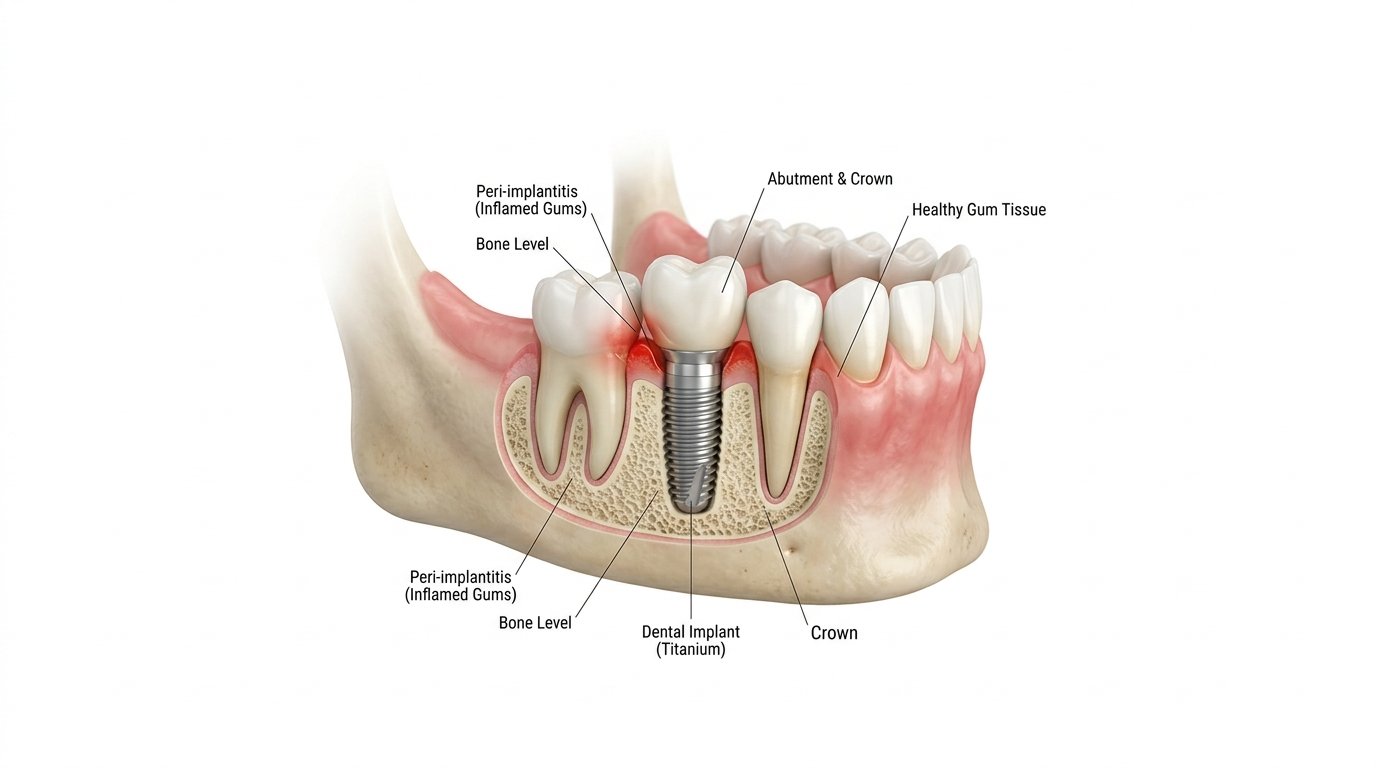
If your bone loss is the result of active periodontitis, implant placement cannot proceed until the infection is fully resolved. Placing an implant in an environment with active gum disease dramatically increases the risk of peri-implantitis, which is a bacterial infection around the implant that causes bone destruction and implant failure.
Your dentist will confirm that your gum health is stable and that no active infection is present before any implant procedure begins. Skipping this step is one of the primary reasons implants fail in patients with a history of gum disease.
Where Can I Get Dental Implant Treatment in Karachi?
The Dental Clinic in Karachi handles implant cases at all levels of complexity, including patients dealing with bone loss who have been turned away or told their situation is too difficult.
Dr. Saqib Minhas leads the team and brings extensive hands-on experience in implant placement, bone grafting, and sinus lift procedures.
How Much Does Dental Implant Treatment Cost in Karachi?
At The Dental Clinic, an implant consultation costs just PKR 2,000. During that appointment, the team of expert dental surgeons will evaluate your bone levels, review your scans, and walk you through exactly what your treatment would involve and what to expect at each stage.
Frequently Asked Questions
Can I get an implant years after losing a tooth?
Yes, implants can be placed years after tooth loss. The main clinical concern is how much bone has resorbed during that time. A CBCT scan will show the current state of your jaw in three dimensions, and your dentist will advise whether you can proceed directly or whether a bone graft is needed first.
Is bone grafting a painful procedure?
The procedure itself is performed under local anesthesia, so you will not feel pain during it. Some swelling, tenderness, and mild discomfort in the days following are normal and manageable with the medication your dentist prescribes. Most patients find the recovery more straightforward than they expected.
How do I know if I have enough bone for an implant without a graft?
You cannot determine this from a standard dental X-ray alone. A CBCT scan is the clinical standard for implant planning because it measures bone height, width, and density in three dimensions. Without this scan, any estimate of bone sufficiency is guesswork.
Does bone loss from gum disease disqualify me from implants permanently?
Not necessarily. Once gum disease is fully treated and the infection is resolved, many patients with a history of periodontitis go on to receive implants successfully. The key requirement is that the disease must be inactive and your gum health must be stable before implant placement begins.
Is an implant still worth it if I need a bone graft first?
For most patients, yes. Implants remain the closest functional and structural equivalent to a natural tooth root, providing stimulation that prevents further bone loss and supporting a restoration that looks and functions normally. The additional time required for grafting is a short-term investment in a long-term outcome that dentures and bridges cannot replicate.
Services We offer:
Titanium Implants | Swiss Implants | German Implants | Korean Implants
Composite Bonding | Fluoride Treatment | Teeth Gap Closure | Invisible Aligners