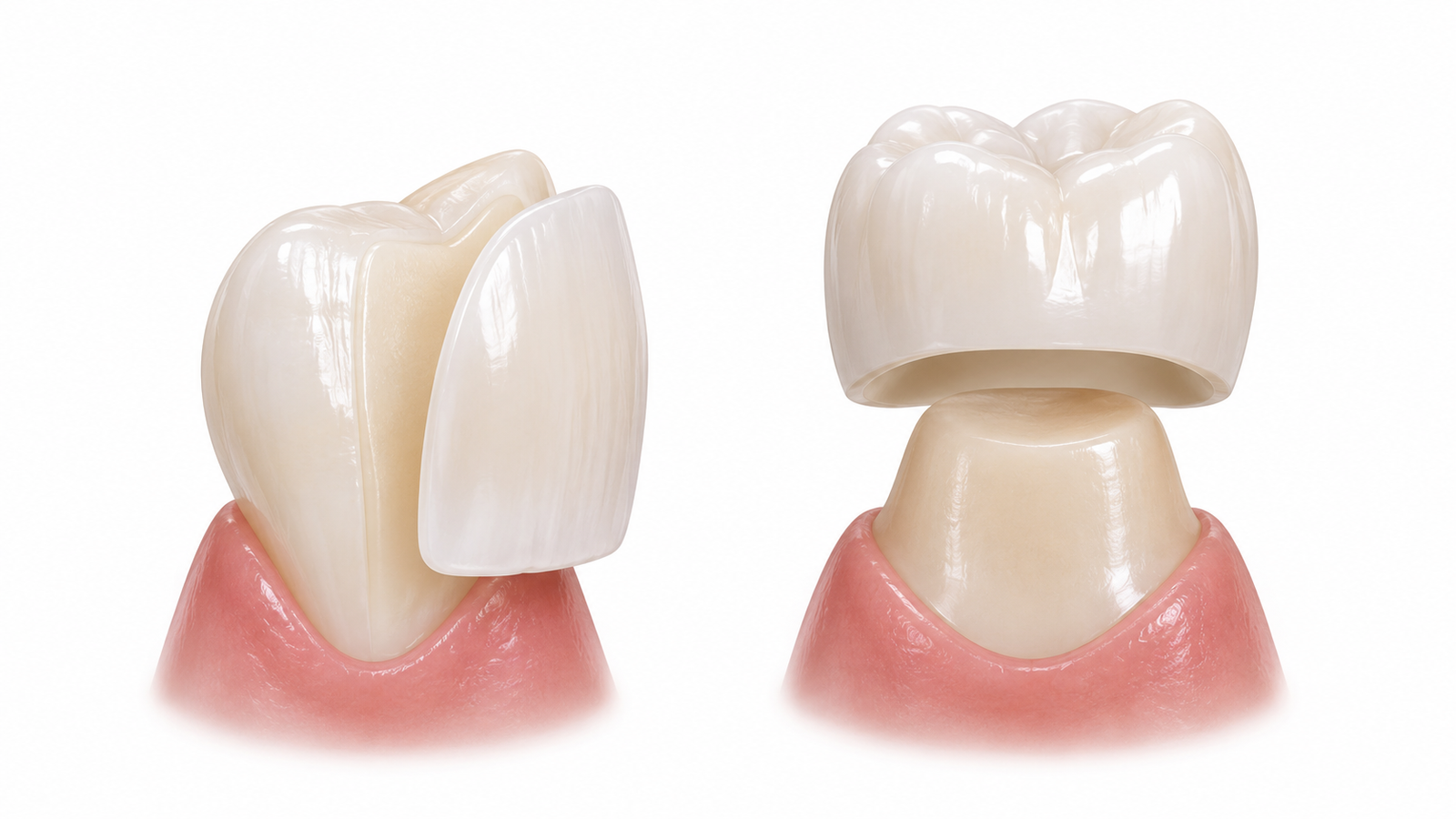

Dental veneers are thin, custom-made shells placed over the front surface of teeth to improve their shape, colour, and appearance. Although veneers are designed to be durable, they still require proper care to maintain their appearance and functionality.
Knowing how to care for your veneers helps prevent staining, chipping, and damage while supporting healthy gums and natural teeth. With the right oral hygiene routine and regular dental checkups, you can keep your veneers looking their best for years.
Here are 10 essential tips for maintaining dental veneers and protecting your smile.
1. Brush Your Teeth Twice a Day
Brushing twice a day is one of the most important steps in maintaining dental veneers. Plaque and bacteria can accumulate around veneer edges, increasing the risk of gum inflammation and tooth decay in the underlying natural tooth.
Follow these brushing tips:
- Use a soft-bristled toothbrush to avoid irritating your gums.
- Choose a non-abrasive fluoride toothpaste.
- Brush gently using circular motions.
- Pay attention to the gumline and areas around your veneers.
- Brush for at least two minutes, twice daily.
Avoid highly abrasive whitening toothpastes, as they can scratch composite veneers and affect their surface polish.
2. Floss Daily to Protect Your Veneers
Flossing removes food particles and plaque from areas your toothbrush cannot reach. Although veneers cover the front surface of teeth, the spaces between them and the surrounding gumline still require regular cleaning.
To maintain your veneers:
- Floss gently between each tooth.
- Avoid snapping the floss against your gums.
- Clean along the sides of each tooth.
- Use a water flosser if traditional floss is difficult to manage.
Daily flossing helps prevent gum disease, which can affect the appearance and support of your veneers.
3. Avoid Foods and Drinks That Can Damage Veneers
Certain foods and drinks can increase the risk of veneer damage or staining. Being mindful of your diet is an important part of veneer aftercare.
Hard Foods
Avoid biting directly into hard foods that can crack or chip veneers, such as:
- Ice cubes
- Hard candies
- Nuts with shells
- Very hard crusty foods
Cut harder foods into smaller pieces and chew carefully.
Sticky and Chewy Foods
Sticky foods can put unnecessary pressure on veneers, particularly if they are already loose or damaged.
Limit foods such as:
- Caramel
- Toffee
- Sticky candies
- Chewy sweets
Staining Foods and Drinks
Porcelain veneers are highly stain-resistant, but composite veneers and natural teeth can develop stains over time.
Common staining foods and drinks include:
- Coffee
- Tea
- Red wine
- Dark-coloured sauces
- Berries
Rinse your mouth with water after consuming staining foods or drinks to help reduce surface staining.
4. Avoid Using Your Teeth as Tools
Using your teeth to open packages, tear plastic, or bite hard objects can damage veneers. Excessive pressure may cause cracks, chips, or even veneer detachment.
Avoid these habits:
- Opening bottles with your teeth.
- Biting your fingernails.
- Chewing pens or pencils.
- Tearing packaging with your front teeth.
- Biting directly into very hard objects.
Use your hands or appropriate tools instead of putting unnecessary pressure on your veneers.
5. Protect Your Veneers from Teeth Grinding
Teeth grinding, also known as bruxism, can place excessive pressure on veneers. Repeated grinding or clenching may cause cracks, chips, and damage to the veneer surface.
If you grind your teeth, especially during sleep, consult your dentist. A custom-made night guard can help protect your veneers by creating a protective barrier between your upper and lower teeth.
Addressing teeth grinding early helps prevent unnecessary damage and supports the long-term durability of your veneers.
Price Guides
- Hollywood Smile Price
- Metallic Braces Price
- Porcelain Veneers Price
- Wisdom Tooth Extraction Price
- Root Canal Price
Smile Makeover Cost - Teeth Cleaning Price
- Teeth Cap Price
- Dental Bridge Price
- Zirconia Crown Price
6. Be Careful with Whitening Products
Regular teeth-whitening products do not change the colour of dental veneers. Porcelain and composite materials respond differently to staining, but neither can be whitened like natural teeth using conventional whitening treatments.
Keep these points in mind:
- Avoid abrasive whitening toothpastes.
- Do not use DIY whitening treatments on veneers.
- Consult your dentist before using whitening strips or bleaching products.
- Ask about professional polishing if your composite veneers develop surface stains.
If your natural teeth become darker while your veneers retain their original shade, the colour difference may become noticeable. Your dentist can recommend suitable treatment options.
7. Schedule Regular Dental Checkups and Cleanings
Regular dental visits are essential for maintaining veneers and protecting the natural teeth underneath them. Your dentist can identify early signs of damage, check veneer margins, and assess your gum health.
During routine checkups, your dentist may:
- Examine veneers for cracks, chips, or loose edges.
- Check for plaque buildup and gum inflammation.
- Assess your bite alignment.
- Identify decay around veneer margins.
- Recommend professional cleaning when needed.
Follow your dentist’s recommended appointment schedule. Professional cleaning should also be performed using products and techniques suitable for your specific veneer material.
8. Avoid Smoking and Tobacco Products
Smoking and tobacco use can affect the appearance of your smile. Although porcelain veneers are highly resistant to staining, composite veneers may develop discolouration over time.
Tobacco can also stain natural teeth and contribute to gum problems, which may affect the overall appearance of your smile.
Avoiding smoking and tobacco products supports better oral health and helps maintain the appearance of your veneers.
9. Know the Difference Between Porcelain and Composite Veneer Care
Both porcelain and composite veneers require proper oral hygiene, but their maintenance needs differ because of their material properties.
| Porcelain Veneers | Composite Veneers |
| Highly resistant to staining | More prone to staining |
| Durable ceramic material | Made from tooth-coloured resin |
| Generally have a longer lifespan | Generally have a shorter lifespan |
| Cannot be whitened with conventional whitening products | Cannot be whitened with conventional whitening products |
| May require replacement if significantly damaged | May be repaired or polished by a dentist in some cases |
Both types require gentle brushing, daily flossing, and regular dental checkups. Your dentist can recommend the appropriate maintenance routine based on the type of veneers you have.
10. Recognise Signs That Your Veneers Need Attention
Even with proper maintenance, veneers can occasionally become damaged or loosen over time. Recognising early warning signs helps prevent further complications.
Watch for the following symptoms:
- Cracks or chips: Visible damage to the veneer surface.
- Loose veneers: A veneer that feels unstable or moves when touched.
- Rough edges: Changes in the smooth surface of the veneer.
- Gum irritation: Redness, swelling, or bleeding around the treated tooth.
- Tooth sensitivity: New or persistent sensitivity to hot and cold foods.
- Bite changes: Discomfort or uneven contact when biting.
If you notice any of these signs, schedule a dental examination. Avoid attempting to glue, adjust, or repair a damaged veneer yourself.
How Long Do Dental Veneers Last?
The lifespan of dental veneers depends on the material, oral hygiene habits, bite pressure, and overall dental health.
Generally:
- Porcelain veneers: Can last approximately 10–15 years or longer with proper care.
- Composite veneers: Typically last around 5–7 years, although their lifespan varies depending on maintenance and individual factors.
Regular dental checkups, avoiding hard foods, managing teeth grinding, and maintaining good oral hygiene can help extend veneer longevity.
Common Mistakes to Avoid When Caring for Veneers
Certain habits can shorten the lifespan of dental veneers or affect their appearance.
Avoid these common mistakes:
- Using abrasive toothpaste: Can scratch composite veneers and affect their polish.
- Skipping flossing: Allows plaque to accumulate around teeth and gums.
- Biting hard objects: Increases the risk of cracks and chips.
- Ignoring teeth grinding: Places excessive pressure on veneers.
- Missing dental checkups: Can delay the detection of veneer damage and gum problems.
- Attempting DIY repairs: Household adhesives and self-repair methods can damage veneers and surrounding teeth.
Consistent oral hygiene and professional dental care are essential for maintaining your veneers.
Frequently Asked Questions
How Do You Clean Dental Veneers?
Brush twice daily with a soft-bristled toothbrush and non-abrasive fluoride toothpaste. Floss once a day and clean gently around the gumline to remove plaque and food particles.
Can Dental Veneers Get Stained?
Porcelain veneers are highly resistant to staining, while composite veneers are more likely to develop surface discolouration. Coffee, tea, tobacco, and other staining substances can also affect the surrounding natural teeth.
Can I Use Regular Toothpaste on Veneers?
Yes, provided it is non-abrasive and contains fluoride. Avoid highly abrasive whitening toothpastes that may scratch composite veneers or affect their surface finish.
Can I Drink Coffee with Veneers?
Yes, you can drink coffee with veneers. However, frequent coffee consumption may stain composite veneers and surrounding natural teeth. Rinsing your mouth with water after drinking coffee can help reduce staining.
Do Veneers Require Special Cleaning?
Veneers do not usually require a complicated cleaning routine. Brush twice daily, floss regularly, and attend professional dental cleanings. Your dentist may recommend specific products depending on your veneer material.
Can Veneers Be Whitened?
No. Conventional teeth-whitening treatments do not change the colour of porcelain or composite veneers. If your veneers become discoloured, consult your dentist about professional polishing or replacement options.
How Often Should I Visit the Dentist After Getting Veneers?
Follow your dentist’s recommended checkup schedule. Many patients benefit from routine dental examinations every six months, although some may require more frequent visits depending on their oral health.
What Should I Do If My Veneer Becomes Loose or Chipped?
Contact your dentist as soon as possible. Avoid chewing on the affected tooth and do not attempt to reattach the veneer yourself. Your dentist will assess whether it can be repaired, rebonded, or needs replacement.
Services We offer:
Titanium Implants | Swiss Implants | German Implants | Korean Implants
Composite Bonding | Fluoride Treatment | Teeth Gap Closure | Invisible Aligners