Every year, thousands of overseas Pakistanis return home and choose to get their dental work done in Pakistan. Some leave with excellent results and significant savings. Others do not. The outcome rarely comes down to luck.
It comes down to whether the patient chose a clinic that operates to international clinical standards or one that does not. Dr. Saqib Minhas has been the lead implantologist at The Dental Clinic in Karachi since 2011, and has updated his clinical protocols at international conferences in Seoul and Shanghai.
This article is written from that clinical standpoint, for overseas patients who want a clear, honest basis for making this decision before they sit in the chair.
Is Dental Treatment in Pakistan Actually Safe?
Dental treatment in Pakistan is safe when performed at a qualified clinic with trained practitioners, certified materials, and verified sterilization protocols. The risk does not come from dentistry itself. It comes from a subset of clinics that operate without adequate oversight, equipment, or clinical training.
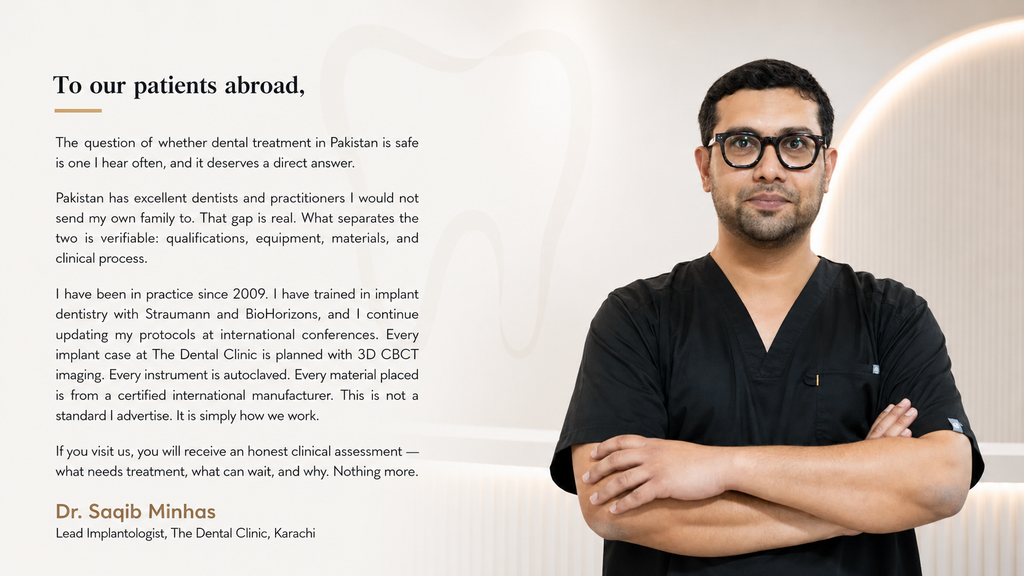
Pakistan has no shortage of excellent dentists. It also has no shortage of practitioners operating well below any acceptable standard. Both exist in the same cities, sometimes the same neighbourhoods, and the difference between them is not always visible from a website or a waiting room. It is, however, always verifiable once you know what to ask.
Why Do Overseas Pakistanis Have Mixed Experiences?
The mixed reputation of dental care in Pakistan reflects a genuine gap in how uniformly clinical standards are enforced. Unlike the United Kingdom, Canada, or the UAE, Pakistan does not apply uniform regulatory oversight across all registered private dental practices.
The Pakistan Medical and Dental Council (PMDC) sets baseline requirements for registration and qualification, but compliance is not audited consistently across the sector.
What this produces is a wide spectrum of care quality within a single city. A clinic in Karachi using 3D CBCT digital imaging, internationally certified implant systems, and autoclave sterilization for every patient can exist a short drive from a practice with none of those things.
The overseas Pakistani who had a poor experience and the one who had an excellent one often visited different tiers of that spectrum, not different countries.
Choosing the right clinic eliminates most of the risk. The question is knowing how to choose.
What Are the Real Risks of Getting Dental Work Done in Pakistan?
The real risks are specific and avoidable, not general and systemic. They fall into three categories.
The first is inadequate sterilization. Instruments that are not properly autoclaved between patients carry a risk of cross-contamination. This is not a theoretical concern. It is the reason overseas patients ask about sterilization first, and it is the right question to prioritise.
The second is unverified materials. For implant procedures specifically, some clinics in Pakistan use unbranded or grey-market implant hardware that lacks the traceability, clinical testing, and manufacturer warranty that internationally certified systems carry.
The implant itself is not visible once placed. Asking about the brand before the procedure is the only way to know what you are receiving.
The third is undertrained practitioners offering procedures beyond their clinical competence. Implant dentistry, full-arch rehabilitation, and complex oral surgery are technique-sensitive procedures that require years of supervised training and ongoing continuing education.
A general dentist who has attended a weekend seminar is not the same as a trained implantologist, and the outcome of the procedure reflects that difference.
All three of these risks are avoidable at a clinic that meets international clinical standards.
How Do You Identify a Safe Dental Clinic in Pakistan?
Does the Clinic Use Autoclave Sterilization for Every Patient?
Autoclave sterilization is the global standard for dental instrument sterilization. Every reusable instrument should be sterilized in a validated autoclave cycle between patients, and single-use items including gloves, suction tips, and impression materials should be opened in front of you at chairside.
Ask this question directly before any treatment begins. A clinic with nothing to hide will answer clearly and will have no objection to showing you the sterilization area. Reluctance to answer is itself a clinical red flag.
Is the Dentist Qualified and PMDC Registered?
PMDC registration is the legal minimum for dental practice in Pakistan. For specialist procedures, qualification goes further. A dentist performing implant surgery should have completed structured, hands-on implantology training with a certified implant system, not simply attended informational seminars.
Asking for a dentist’s PMDC registration number and verifying it on the official PMDC website takes two minutes and confirms that the practitioner is legally registered to practice. It is a reasonable step for any patient making a significant clinical decision.
Which Implant System Does the Clinic Use?
This question separates serious implant clinics from the rest. Internationally certified implant systems such as Straumann, BioHorizons, Nobel Biocare, and COWELLMEDI undergo rigorous clinical testing, carry manufacturer warranties, and are documented in decades of peer-reviewed research.
A qualified implantologist will name the system they use without hesitation and will be able to show you the implant packaging before placement. If the answer to this question is vague, that warrants serious caution.
Does the Clinic Perform a Full Assessment Before Treatment?
One of the most common concerns among overseas Pakistanis is dentists who recommend extensive treatment before conducting a proper examination. At a reputable clinic, no treatment is recommended before a thorough clinical assessment, which includes diagnostic imaging appropriate to the case, a full review of the patient’s dental and medical history, and a clearly explained treatment plan with options.
For implant cases, this means 3D CBCT scanning to assess bone density and anatomical structures before any surgical planning begins. Recommending implants without this level of diagnostic workup is not standard care. It is guesswork.
Will the Clinic Provide a Written Treatment Plan Before Anything Starts?
A written treatment plan that specifies the proposed procedures, the materials to be used, and the sequence of appointments is the baseline standard at any clinic operating transparently. It protects the patient from mid-treatment surprises and gives you a document you can share with your dentist abroad if you need continuity of care after you return.
If a clinic is reluctant to provide this, or if pricing and procedures change once treatment has begun, those are reliable indicators of how the relationship will continue.
Which Dental Procedures Are Safe to Get Done in Pakistan?
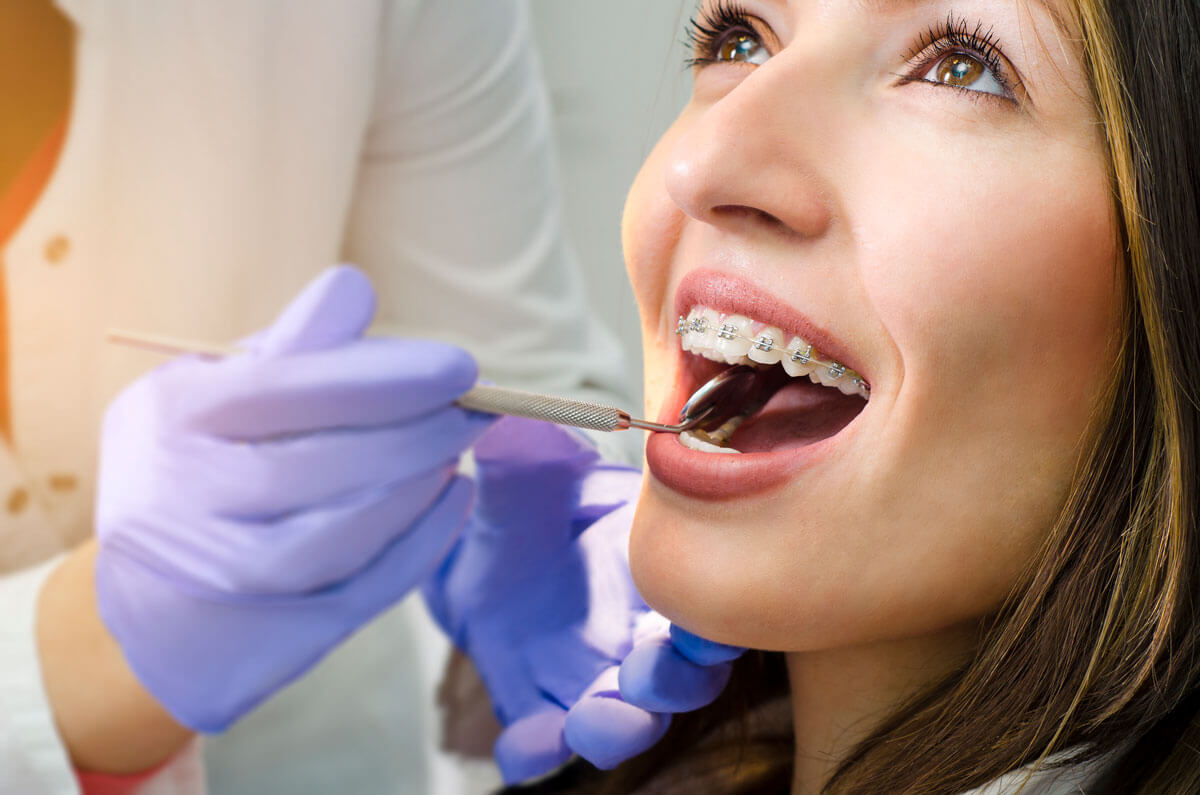
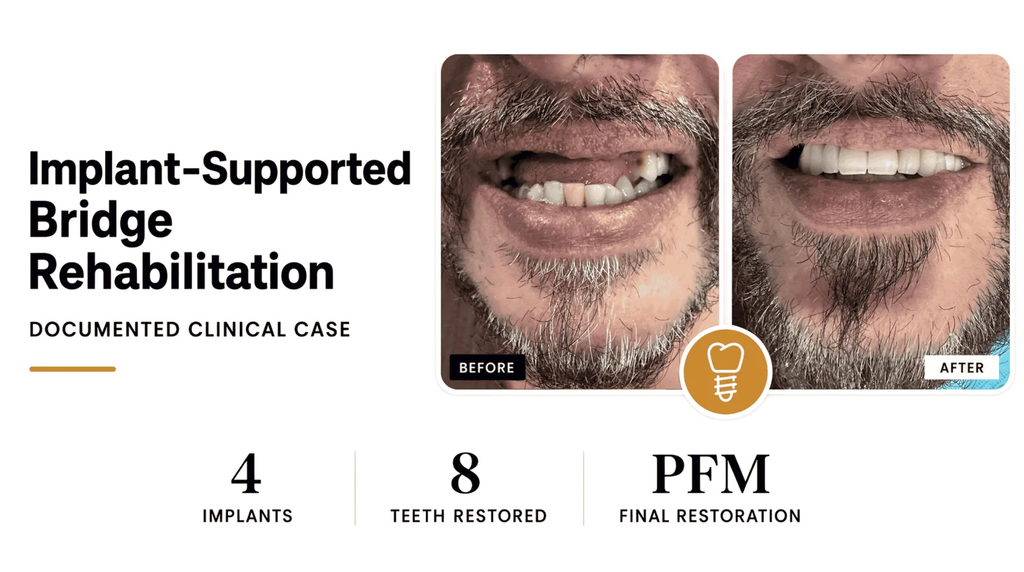
At a properly equipped, qualified clinic in Karachi, the full range of dental procedures is deliverable to international clinical standards. This includes routine check-ups and professional cleaning, tooth-coloured composite fillings, simple and surgical extractions including wisdom teeth, root canal treatment, dental implants for single teeth and full-arch rehabilitation, porcelain and composite veneers, smile makeovers, zirconia and porcelain crowns, braces and invisible aligner treatment, teeth whitening, and bone grafting and sinus lifting procedures.
The procedure itself is not the variable. The practitioner, the clinic, and the materials are.
Services We offer:
Titanium Implants | Swiss Implants | German Implants | Korean Implants
Composite Bonding | Fluoride Treatment | Teeth Gap Closure | Invisible Aligners
What About Complex Procedures That Need Follow-Up Appointments?
This is a genuine practical consideration for overseas patients, and it deserves an honest answer rather than a dismissal. Dental implants involve a healing period of three to six months between placement and the final crown fitting, during which the implant integrates with the jawbone. This is not a Pakistan-specific timeline. It is the biological reality of osseointegration regardless of where the procedure is performed.
For overseas patients planning implant treatment, this means either scheduling two separate visits to Karachi or planning a longer initial stay for same-day loading protocols where clinically appropriate. Your treating dentist can advise which approach is suitable for your specific case after a proper assessment.
For procedures including root canals, veneers, crowns, and most restorative work, a two to three week visit is typically sufficient to complete treatment within a single trip.
How Much Can You Actually Save on Dental Treatment in Pakistan?
A single dental implant in the United Kingdom costs between £2,000 and £3,500. In the United States, the same procedure typically runs between $3,000 and $5,000. At a premium clinic in Karachi using an internationally certified implant system, the cost is a fraction of those figures without any compromise in clinical quality or materials.
For patients with multiple procedures, a complete smile makeover, or full-arch rehabilitation, the savings across a single trip frequently exceed the cost of return flights. This is why the decision makes financial sense for overseas Pakistanis who can verify the quality of the clinic they are attending.
The question was never whether the savings are real. They are. The question is always whether the quality is there to match. At the right clinic, it is.
How Do You Plan a Dental Trip to Karachi Properly?
Contact the clinic before you arrive in Pakistan. A well-organised clinic will schedule your diagnostic assessment and walk you through a proposed treatment plan before your first appointment, so your time in Karachi is used efficiently rather than spent on admin and initial consultations.
Bring any recent X-rays or dental records from your dentist abroad. These provide valuable clinical context and help your Karachi dentist understand your full history before recommending treatment. For major restorative or cosmetic work, plan a minimum stay of two to three weeks. A short trip is not realistic for implants, veneers, or comprehensive rehabilitation.
Ask for everything in writing. A written treatment plan, a clear breakdown of procedures and appointments, and the name of the implant system or materials being used should all be confirmed before any clinical work begins.
Frequently Asked Questions
Is it safe to get dental implants specifically in Pakistan?
Yes. Dental implants placed by a trained implantologist using an internationally certified implant system at a properly equipped clinic are safe in Pakistan and carry the same clinical success rates documented globally.
How do I verify whether a dentist in Karachi is genuinely qualified?
PMDC registration is publicly verifiable on the official PMDC website. Ask for the dentist’s registration number and check it directly. For implant treatment, ask specifically what hands-on implantology training the dentist has completed and with which implant system.
Are dental materials in Pakistan the same quality as in the UK or UAE?
At premium clinics, yes. Internationally certified brands for implant systems, zirconia crowns, porcelain, and composite materials are available in Pakistan and used by qualified practitioners at quality clinics. The risk of unverified or grey-market materials exists at lower-tier clinics. Asking which brand is being used and requesting to see the packaging before placement is a straightforward way to verify this.
What happens if I need follow-up care after I return abroad?
Choose a clinic that provides documentation of everything placed, a clear guarantee on their work, and a willingness to communicate with your dentist abroad. For implants and crowns placed correctly by a trained specialist, complications requiring emergency attention shortly after the procedure are uncommon. The clinic should be able to provide a clinical report and relevant imaging that your overseas dentist can review if needed.
Should I trust Google reviews when choosing a dental clinic in Pakistan?
Google reviews are a starting point, not a definitive filter. Reviews that describe specific procedures and clinical outcomes are more informative than generic positive comments. Established reviewer accounts with a history of reviews across multiple businesses carry more weight than newly created profiles with a single review.
Is Anesthesia Safe at Pakistani Dental Clinics?
Yes. Local anesthesia at qualified dental clinics in Pakistan is safe. The active compound is lidocaine — the same agent used in the UK, UAE, Canada, and the United States, administered in identical dosage protocols. Safety depends on the practitioner’s training and a proper pre-treatment medical assessment, not the country.
Is anesthesia safe at dental clinics in Pakistan?
Yes. Local anesthesia for dental procedures uses the same active compounds used globally, primarily lidocaine and related agents. Administered correctly by a trained practitioner, it is safe and effective for all routine and surgical dental procedures. General anesthesia for dental work is rarely indicated in standard dental care and is a separate clinical decision that your dentist will discuss with you if relevant to your case.
Get Expert Dental Care at The Dental Clinic, Karachi
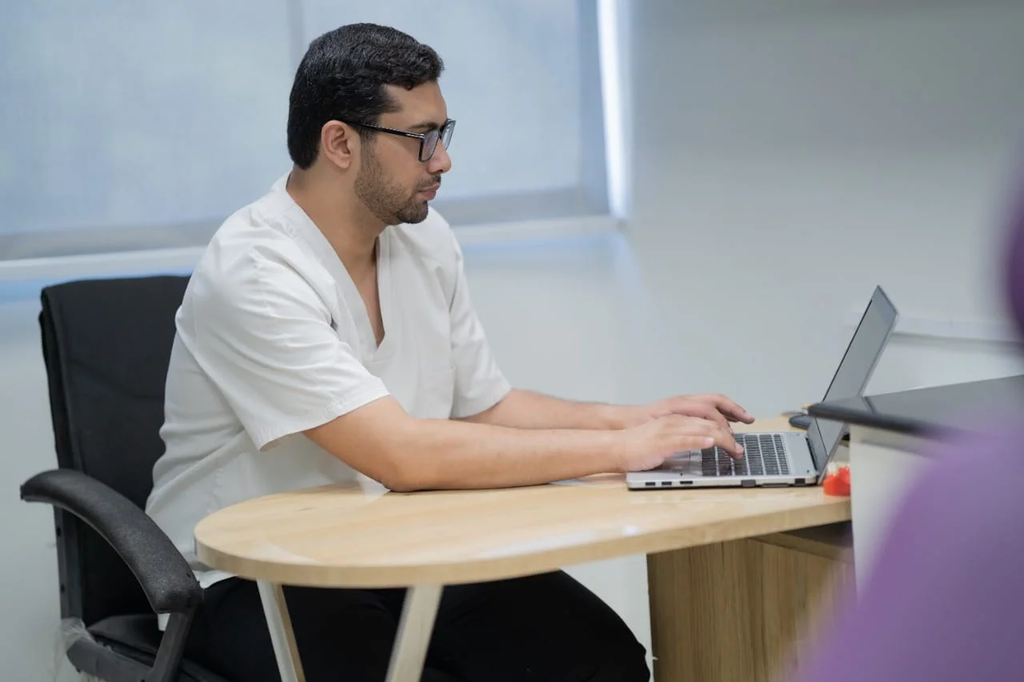
The Dental Clinic in Gulshan-e-Iqbal, Karachi has been treating patients since 2011 under the clinical leadership of Dr. Saqib Minhas. The practice operates across the full range of dental disciplines, including implant dentistry, restorative and cosmetic treatment, orthodontics, oral surgery, and paediatric dentistry, all within a single multidisciplinary clinic.
Dr. Minhas has spent his career building the kind of clinical foundation that overseas patients with high standards are looking for.
He trained in surgical and prosthetic implant dentistry with BioHorizons, completed advanced implantology coursework in association with Straumann at Dow International Dental College, and has continued updating his protocols at international conferences including the DENTIS World Symposium in Seoul and the COWELLMEDI International Conference in Shanghai.
He has also spent nearly a decade teaching within dental institutions in Karachi, which means the standard he applies in practice is the same one he has held other dentists to. Every implant case at The Dental Clinic is planned with 3D CBCT imaging before any surgical recommendation is made.
If you are visiting Karachi and want an honest, thorough assessment of your dental needs before committing to any treatment, book a consultation with Dr. Saqib Minhas at thedentalclinic.com.pk. The clinic is open daily from 12:00 PM to 10:00 PM and can be reached at 0316-0200011.