Dental veneers and crowns are two popular dental treatments used to improve the appearance and function of teeth. Although both can create a natural-looking smile, they differ in coverage, tooth preparation, purpose, and durability.
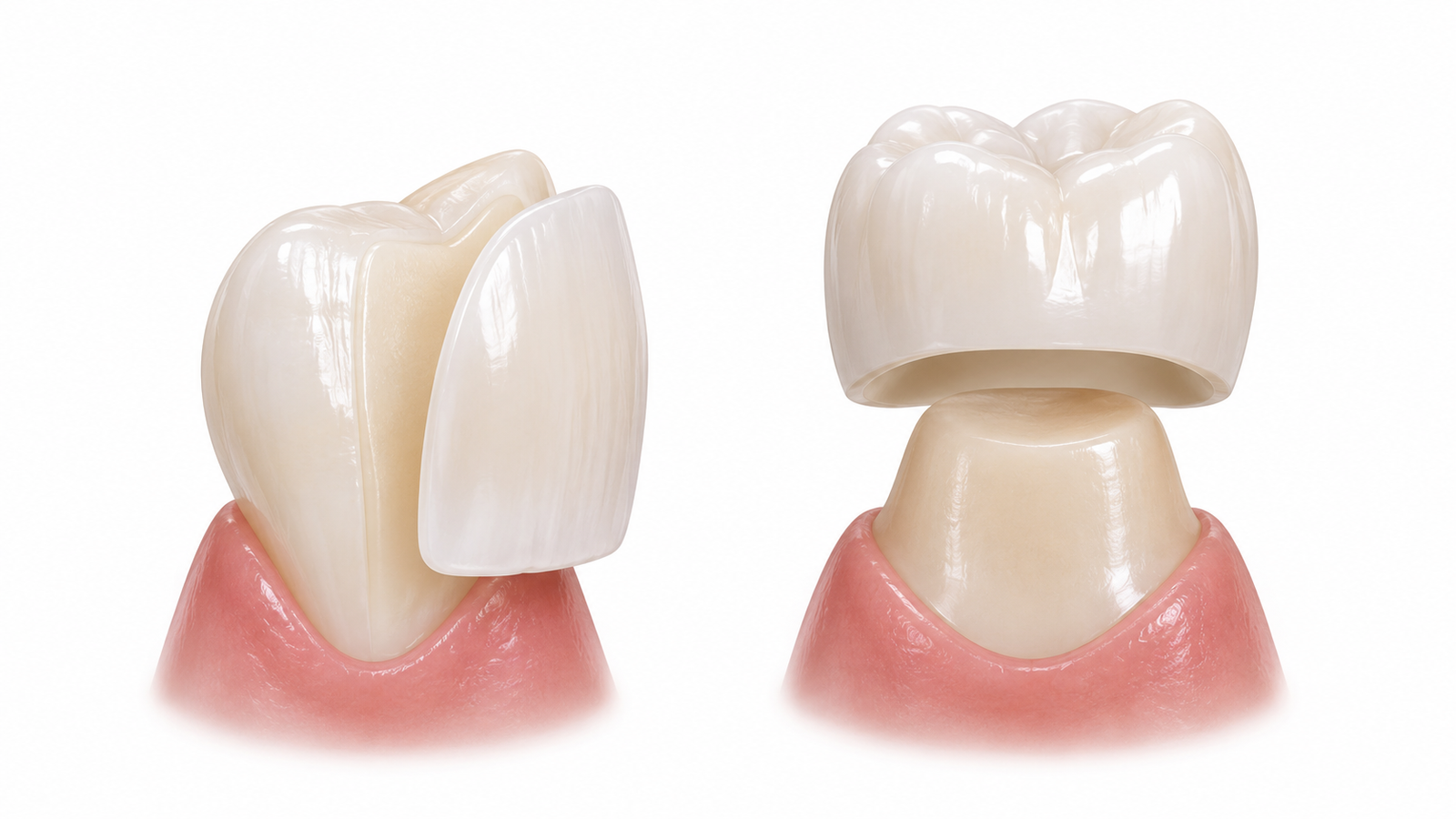
Dental veneers cover the front surface of teeth to correct cosmetic imperfections, while dental crowns cover the entire visible portion of a tooth to restore its strength, shape, and appearance.
Choosing between veneers vs. crowns depends on your tooth condition, cosmetic goals, and the amount of restoration required. Understanding their differences can help you make an informed decision about your dental treatment.
What Are Dental Veneers?
Dental veneers are thin, custom-made shells bonded to the front surface of natural teeth. They are primarily used for cosmetic improvements, helping correct discoloration, minor chips, gaps, and uneven tooth shapes.
Veneers require some enamel preparation to ensure proper fitting and a natural appearance. However, certain cases may qualify for minimal-preparation or no-preparation veneers.
What Dental Problems Can Veneers Fix?
Dental veneers are commonly recommended for:
- Discolored or stained teeth that do not respond well to whitening.
- Minor gaps between teeth.
- Chipped or slightly damaged teeth.
- Uneven tooth shapes and sizes.
- Mild cosmetic alignment concerns.
- Worn or irregular front teeth.
Veneers are most suitable when the natural teeth are structurally healthy and the primary goal is cosmetic improvement.
What Are Dental Crowns?
Dental crowns are custom-made restorations that cover the entire visible portion of a damaged or weakened tooth. Unlike veneers, which cover only the front surface, crowns provide full coverage and help restore a tooth’s strength, shape, size, and function.
Dentists recommend crowns when a tooth needs more protection than a veneer can provide.
Types of Dental Crowns
Porcelain Crowns
Porcelain crowns offer a natural tooth-like appearance and are commonly used for visible teeth. Their color and translucency can be matched to surrounding natural teeth.
Zirconia Crowns
Zirconia crowns are made from a strong ceramic material known for its durability and resistance to fracture. They can be suitable for both front and back teeth, depending on the clinical requirements.
Porcelain-Fused-to-Metal Crowns
These crowns combine a metal framework with a porcelain outer layer. They provide structural support while maintaining a tooth-colored appearance.
Metal Crowns
Metal crowns are made from dental alloys and are known for their strength and durability. They are generally considered for back teeth where appearance is less important.
What Dental Problems Can Crowns Fix?
Dental crowns are commonly recommended for:
- Severely damaged or weakened teeth.
- Cracked or fractured teeth.
- Teeth with large fillings.
- Teeth with extensive decay.
- Teeth following root canal treatment when full coverage is indicated.
- Severely worn-down teeth.
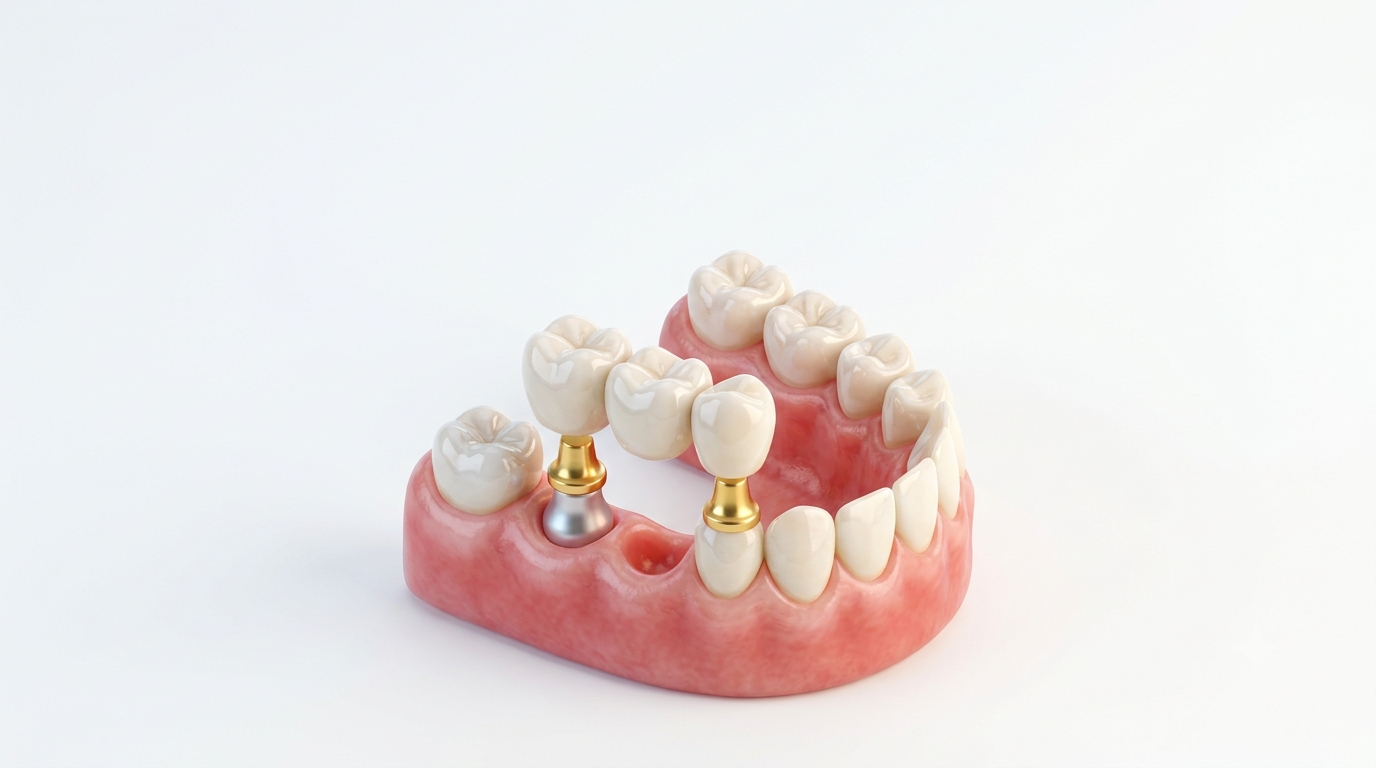
- Restoring dental implants.
Crowns help protect compromised teeth and restore their ability to withstand normal chewing forces.
Veneers vs. Crowns: Key Differences
The main difference between dental veneers and crowns is the amount of tooth coverage and their intended purpose. Veneers primarily improve the appearance of teeth, while crowns provide full coverage and structural protection.
| Comparison Factor | Dental Veneers | Dental Crowns |
| Coverage | Front surface of the tooth | Entire visible tooth |
| Main purpose | Cosmetic improvement | Protection and restoration |
| Tooth preparation | Usually minimal | More extensive |
| Thickness | Generally thinner | Generally thicker |
| Tooth condition | Relatively healthy teeth | Damaged or weakened teeth |
| Appearance | Natural-looking | Natural-looking |
| Durability | Depends on material and care | Depends on material and care |
| Common materials | Porcelain and composite | Porcelain, zirconia, metal and PFM |
| Common applications | Stains, minor gaps and chips | Cracks, fractures and extensive decay |
Both treatments can improve the appearance of teeth, but they serve different dental needs. The condition of your natural teeth determines which option is more appropriate.
Veneers vs. Crowns: Which One Lasts Longer?
Both veneers and crowns can last for many years with proper care. However, their lifespan depends on the material, dental condition, oral hygiene, and daily habits.
Porcelain Veneers: Porcelain veneers typically last around 10–15 years, although some may last longer with proper maintenance.
Composite Veneers: Composite veneers generally last around 5–7 years, depending on the quality of the material and oral care.
Dental Crowns: Dental crowns commonly last around 10–15 years or longer. Their longevity depends on the material, placement, and condition of the supporting tooth.
Factors That Affect Their Lifespan
Several factors influence how long veneers and crowns last:
- Oral hygiene: Regular brushing and flossing help prevent decay and gum disease around restorations.
- Teeth grinding: Bruxism can cause cracks, chips, or excessive wear.
- Eating habits: Biting hard objects or chewing ice can damage restorations.
- Material quality: Different materials offer different levels of strength and resistance to wear.
- Regular dental checkups: Routine examinations help identify potential problems before they become serious.
Neither treatment has a guaranteed lifespan. Proper dental care and professional monitoring help maintain long-term results.
Veneers vs. Crowns: Which Is More Expensive?
The cost of dental veneers vs. crowns depends on several factors, including the material, number of teeth, laboratory requirements, and complexity of treatment.
Factors affecting veneer costs:
- Porcelain or composite material selection.
- Number of veneers required.
- Laboratory fabrication and customization.
- Tooth preparation requirements.
- Complexity of cosmetic corrections.
Factors affecting crown costs:
- Crown material, such as porcelain or zirconia.
- Condition of the natural tooth.
- Whether root canal treatment or additional procedures are needed.
- Laboratory and fabrication requirements.
- Complexity of restoration.
In general, porcelain veneers and high-quality ceramic crowns can both involve significant laboratory and customization costs. The more expensive option depends on the material and treatment requirements.
For patients considering veneers or crowns in Karachi, a dental examination is the best way to receive an accurate treatment plan and cost estimate.
Are Veneers Better Than Crowns for Cosmetic Improvements?
Dental veneers are often preferred for cosmetic improvements because they enhance the front surface of teeth without covering the entire tooth.
They can help address:
- Tooth discoloration: Veneers cover stains that may not respond to professional teeth whitening.
- Minor gaps: They can improve the appearance of small spaces between teeth.
- Chipped teeth: Veneers can restore the appearance of slightly chipped front teeth.
- Uneven shapes: They help create a more balanced and symmetrical smile.
- Mild alignment concerns: Veneers can improve the appearance of slightly misaligned teeth in selected cases.
However, crowns may be more appropriate when a tooth has significant structural damage. Cosmetic appearance should not come at the expense of the tooth’s health.
When Should You Choose Dental Veneers?
Dental veneers may be suitable if your teeth are relatively healthy but have cosmetic imperfections.
You may consider veneers if:
- Your teeth have persistent discoloration.
- You have minor gaps between your front teeth.
- Your teeth have small chips or irregular edges.
- You want to improve the shape and symmetry of your smile.
- Your teeth have sufficient healthy enamel for bonding.
Veneers are not suitable for every patient. Severe tooth decay, active gum disease, significant tooth damage, and uncontrolled teeth grinding may affect treatment suitability.
When Should You Choose Dental Crowns?
Dental crowns are generally recommended when a tooth needs full coverage and additional structural support.
You may need a dental crown if:
- Your tooth is severely weakened or damaged.
- You have a large filling that compromises the remaining tooth structure.
- Your tooth has a significant crack or fracture.
- You have undergone root canal treatment and require full-coverage restoration.
- Your tooth is severely worn down.
- You need a restoration over a dental implant.
Crowns help protect the remaining tooth structure and restore normal chewing function.
Services We offer:
Titanium Implants | Swiss Implants | German Implants | Korean Implants
Composite Bonding | Fluoride Treatment | Teeth Gap Closure | Invisible Aligners
Can You Get Veneers Instead of Crowns?
In some cases, veneers may be an alternative to crowns, but they cannot replace crowns in every situation.
If a tooth is healthy and only has cosmetic imperfections, a veneer may provide the required improvement. However, if the tooth is severely damaged, weakened, or has extensive decay, a crown may be necessary.
The decision depends on:
- How much natural tooth structure remains.
- The extent of existing damage or decay.
- The condition of the tooth enamel.
- The location of the tooth.
- The amount of protection required.
A dentist should examine the tooth before recommending either treatment. Choosing a veneer when a tooth needs full coverage may compromise the restoration.
Do Veneers and Crowns Damage Natural Teeth?
Both veneers and crowns require some level of natural tooth preparation. However, the amount of enamel and tooth structure removed differs.
Veneers: Traditional veneers usually require a thin layer of enamel removal from the front surface of the tooth. Some minimal-preparation options may require less alteration, depending on the case.
Crowns: Crown preparation involves reducing the tooth from multiple surfaces to create space for the restoration. This is generally more extensive than veneer preparation.
Possible Side Effects
Patients may experience:
- Temporary tooth sensitivity.
- Mild gum irritation.
- Sensitivity to hot or cold foods.
- Discomfort following tooth preparation.
Proper diagnosis, conservative preparation, and accurate fitting are important for protecting natural teeth and maintaining healthy gums.
How to Decide Between Veneers and Crowns
Choosing between veneers and crowns requires an assessment of your dental health and treatment goals.
Consider these factors before making a decision:
- Evaluate your tooth condition: Healthy teeth with minor cosmetic concerns may be suitable for veneers, while weakened teeth may require crowns.
- Identify your treatment goals: Decide whether you primarily want to improve appearance or restore strength and function.
- Consider tooth preparation: Veneers generally involve less tooth reduction than crowns.
- Compare materials: Discuss porcelain, composite, zirconia, and other suitable materials with your dentist.
- Discuss long-term maintenance: Understand the care requirements and expected lifespan of each option.
At The Dental Clinic Karachi, patients can receive an individual dental assessment to determine which treatment is appropriate for their teeth. The focus should be on preserving natural tooth structure while achieving functional and aesthetic results.
Why Choose The Dental Clinic for Veneers and Crowns in Karachi?
Choosing the right dental treatment starts with an accurate diagnosis and a treatment plan based on your oral health.
At The Dental Clinic Karachi, patients can explore cosmetic and restorative dental treatment options based on their individual needs.
The clinic focuses on:
- Personalized Treatment Planning: Recommendations based on tooth condition, dental concerns, and smile goals.
- Cosmetic and Restorative Options: Treatment options for improving tooth appearance and restoring damaged teeth.
- Natural-Looking Results: Appropriate material selection and restoration design to complement surrounding teeth.
- Patient-Focused Care: Clear treatment guidance to help patients understand their options before proceeding.
Whether you are considering porcelain veneers for a smile makeover or dental crowns to restore damaged teeth, a professional dental consultation can help you choose the right approach.
Visit The Dental Clinic Karachi to discuss your dental concerns and explore suitable treatment options.
Frequently Asked Questions About Veneers vs. Crowns
1. Are veneers better than crowns?
Veneers are generally better for improving the appearance of relatively healthy teeth, while crowns are more suitable for restoring and protecting significantly damaged or weakened teeth. The better option depends on your dental condition.
2. Are crowns stronger than veneers?
Yes. Crowns generally provide greater structural coverage and protection because they cover the entire visible portion of a tooth. Veneers cover only the front surface and are primarily designed for cosmetic improvements.
3. Do veneers last longer than crowns?
Not necessarily. Porcelain veneers and dental crowns can both last around 10–15 years or longer with proper care. Composite veneers generally have a shorter lifespan.
4. Are veneers more expensive than crowns?
The cost depends on the material, number of teeth, and complexity of treatment. Porcelain veneers and zirconia or porcelain crowns can vary significantly in price.
5. Can a crowned tooth have a veneer?
No. A veneer is designed to bond to the front surface of a natural tooth, while a crown already covers the entire visible portion. If an existing crown needs replacement or improvement, a new crown may be considered.
6. Do veneers or crowns look more natural?
Both can provide natural-looking results when properly designed and fitted. Porcelain veneers and high-quality ceramic crowns can be customized to match the color and shape of surrounding teeth.
7. Which treatment requires more enamel removal?
Dental crowns generally require more tooth reduction because they cover the entire visible tooth. Traditional veneers require preparation mainly on the front surface.
8. Can veneers fix crooked teeth?
Veneers can improve the appearance of mildly misaligned teeth in selected cases. However, significant alignment problems usually require orthodontic treatment such as braces or clear aligners.
9. Are dental crowns necessary after a root canal?
Not every root canal-treated tooth requires a crown. However, back teeth and teeth with significant structural damage often benefit from full-coverage crowns to reduce the risk of fracture.
10. Can veneers and crowns be replaced?
Yes. Both veneers and crowns can be replaced if they become damaged, worn, loose, or no longer fit properly. Replacement depends on the condition of the underlying natural tooth and surrounding gums.
Price Guides