Most people dread hearing either option from their dentist. Knowing the difference between the two could save your tooth, your smile, and a lot of unnecessary worry. This guide breaks down both procedures in plain language so you can walk into your next dental appointment informed.
What Is a Root Canal?
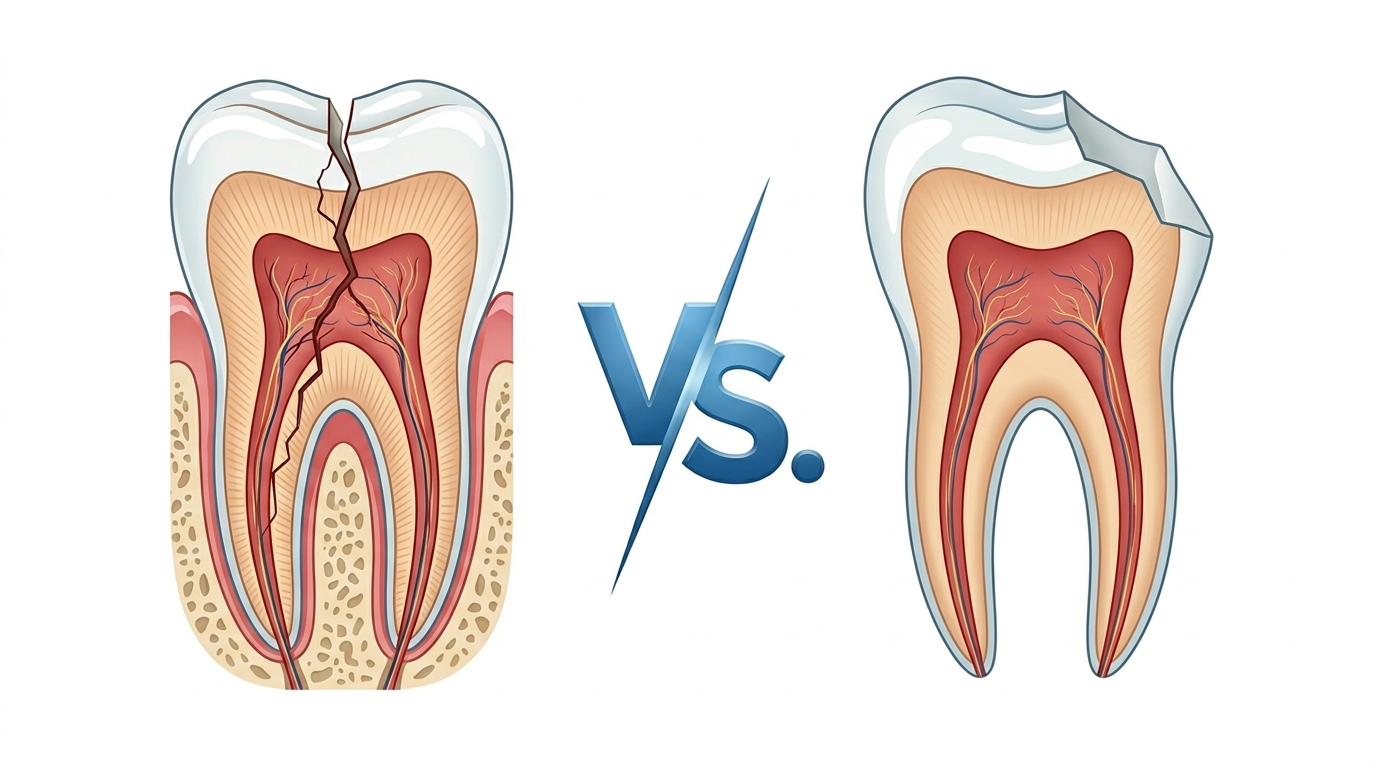
A root canal treats infection or damage inside a tooth without removing it. Every tooth contains a soft inner layer called the pulp, which houses nerves and blood vessels. When bacteria reach this layer through deep decay or a crack, the pulp becomes infected and inflamed.
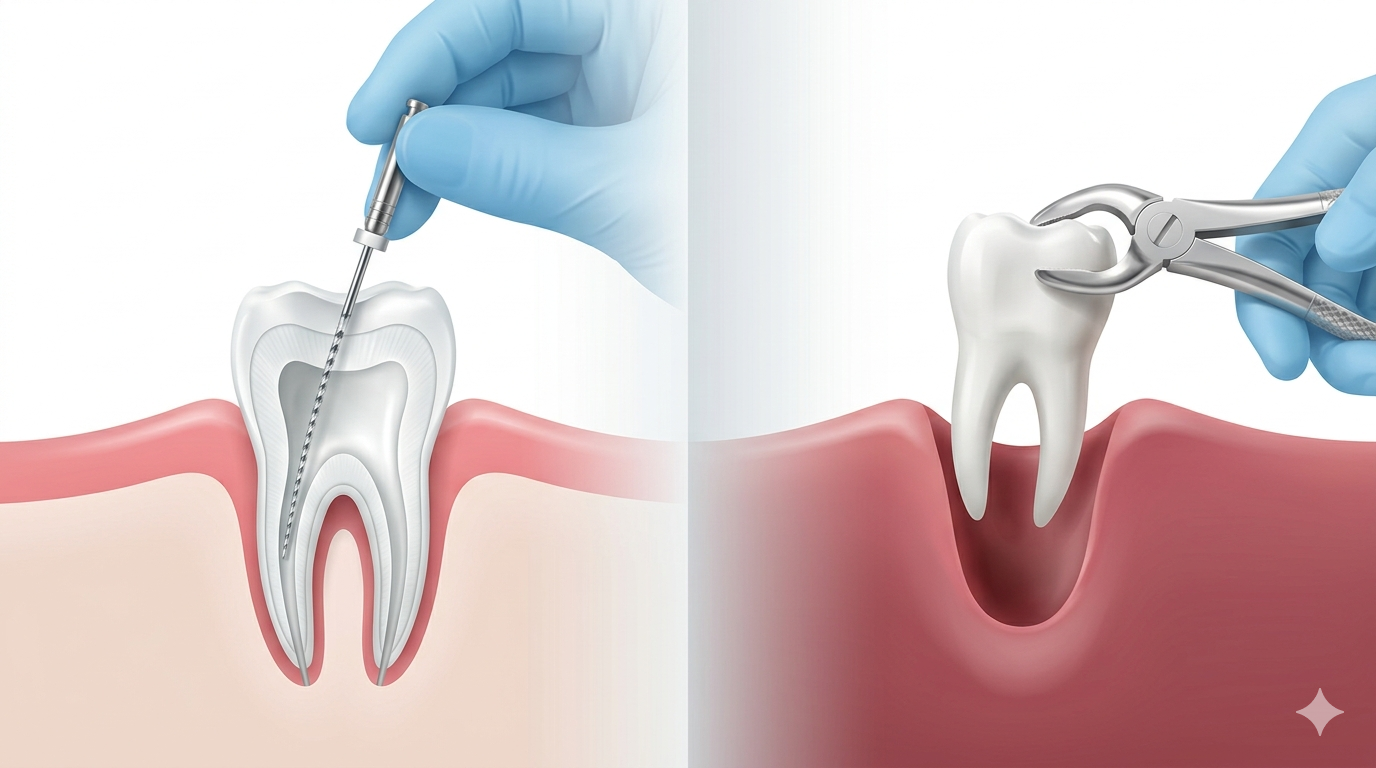
During the procedure, the dentist removes the infected pulp, cleans the hollow canals inside the root, and seals everything shut. A crown is then placed on top to restore the tooth’s strength. The tooth stays in your mouth, fully functional.
What Is a Tooth Extraction?
A tooth extraction is the complete removal of a tooth from its socket. It is recommended when a tooth is too damaged or decayed to be saved through any other treatment.
Simple extractions are performed on teeth fully visible above the gumline. Surgical extractions are required when a tooth is broken below the gumline or impacted, as is common with wisdom teeth.
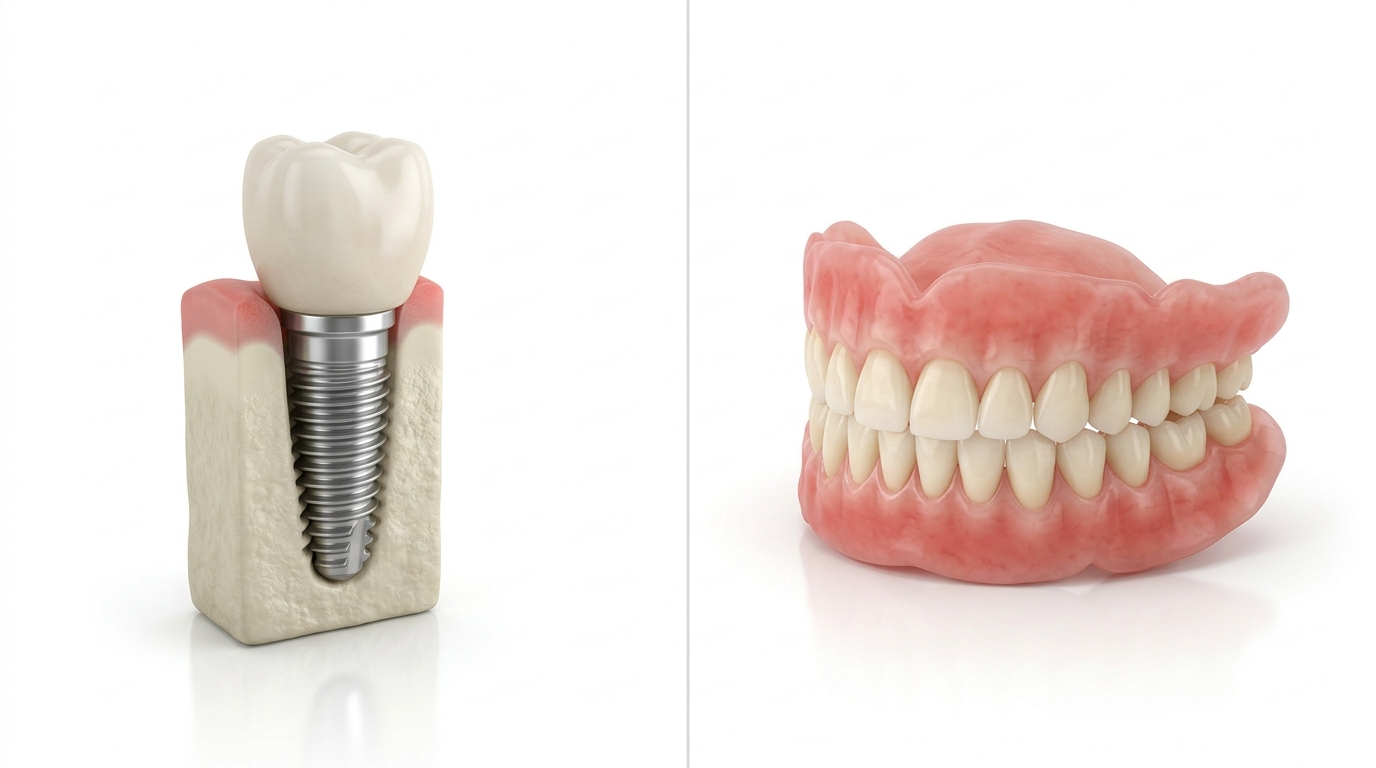
Once a tooth is removed, the surrounding jawbone begins to deteriorate over time without a root to support it. Replacing the extracted tooth with an implant or bridge is strongly recommended to prevent this.
Root Canal vs Tooth Extraction
| Factor | Root Canal | Tooth Extraction |
|---|---|---|
| Goal | Save the natural tooth | Remove the tooth entirely |
| Appointments needed | 1 to 2 | Usually one |
| Pain during procedure | Minimal, local anesthesia used | Minimal, local anesthesia used |
| Recovery time | A few days | 3 to 7 days |
| Permanent tooth loss | No | Yes |
| Bone loss risk | No | Yes, if not replaced |
| Follow-up required | Crown placement | Implant or bridge recommended |
When Is a Root Canal the Right Choice?
A root canal is recommended when the tooth is infected on the inside but still structurally sound enough to be saved. Common signs include a persistent toothache, sensitivity to hot or cold that lingers, swelling near the gum, or a darkening of the tooth. In some cases there are no symptoms at all and the infection only shows up on an X-ray.
Saving the natural tooth preserves bite force, jawbone health, and the alignment of surrounding teeth. If a tooth can be saved, that will always be the first priority.
When Is a Tooth Extraction Necessary?
Extraction becomes necessary when a tooth is fractured below the gumline, decayed beyond repair, severely affected by gum disease, or impacted. It is a last resort, not a first option.
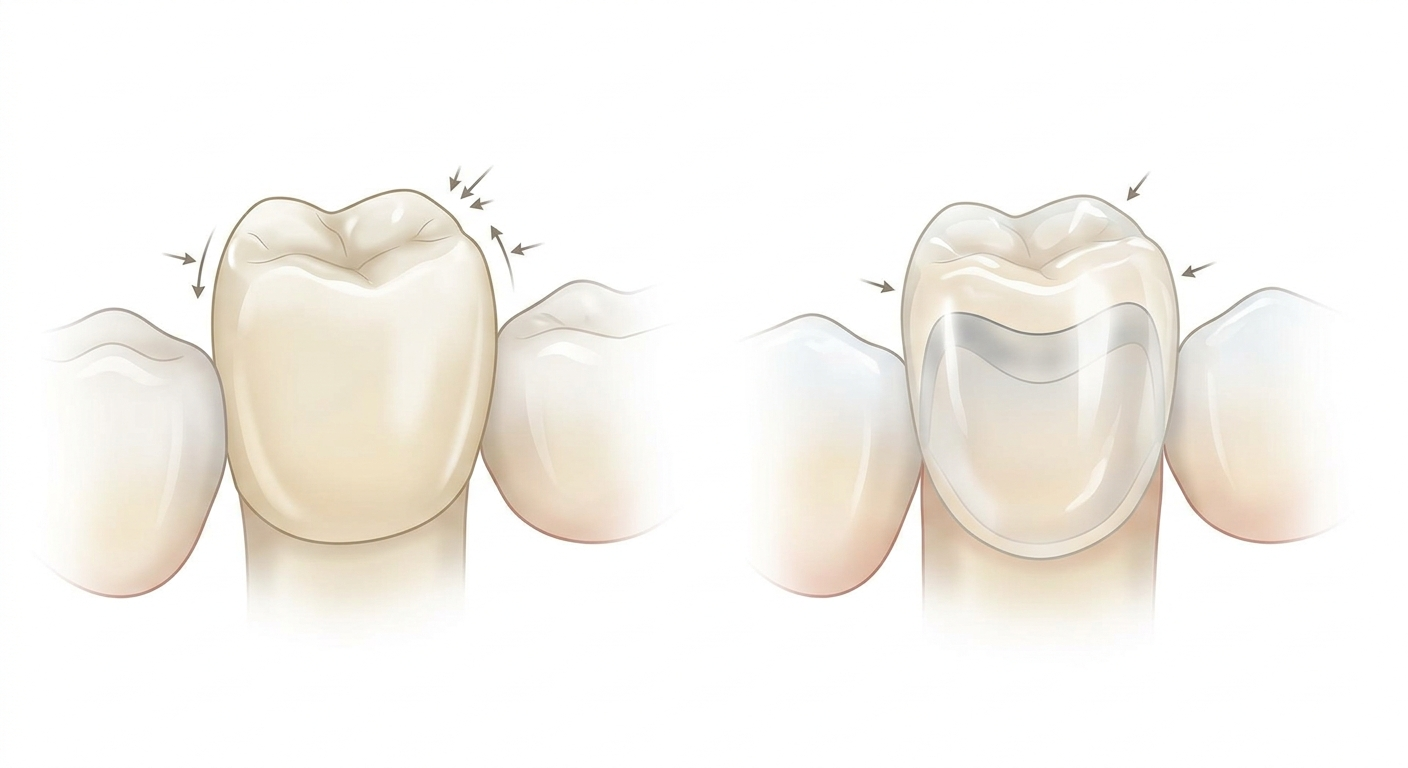
When extraction is unavoidable, replacement should be planned immediately. Leaving an empty socket untreated causes the adjacent teeth to shift and the underlying bone to shrink over time.
Common Misconceptions
The belief that root canals are excruciating is outdated. With modern anesthesia, patients are fully comfortable throughout the procedure. Most report that the anticipation was worse than the treatment itself.
Many people assume extraction is the simpler solution. What they overlook is what follows. Without replacement, the adjacent teeth drift, the opposing tooth over-erupts, and the jawbone deteriorates. The long-term consequences far outweigh the short-term ease of extraction.
Dental infections can also be completely silent. By the time pain appears, the infection may have already spread. Regular checkups and X-rays catch these issues before they escalate.
Meet Dr. Saqib Minhas at The Dental Clinic
Dr. Saqib Minhas brings a thorough, patient-first approach to every case. Every tooth is evaluated with proper diagnostic imaging and a complete clinical examination before any treatment is recommended. His priority is always to preserve the natural tooth whenever possible.

If you have been told you may need a root canal or an extraction, book a consultation at The Dental Clinic and get a clear, honest answer about what your tooth actually needs.
Frequently Asked Questions
Which procedure is more painful?
Neither is painful during treatment. Both use local anesthesia. Mild soreness afterward is normal and manageable with over-the-counter pain relief.
How do I know which one I need?
Only a clinical examination and dental X-rays can determine this. There is no way to self-diagnose accurately.
Is it always better to save the tooth?
In most cases, yes. Natural teeth are superior in function and long-term oral health. Extraction is only appropriate when saving the tooth is no longer viable.
Can an extracted tooth be replaced?
Yes. Dental implants are the gold standard as they integrate with the jawbone and prevent bone loss. Bridges are also an option depending on the patient’s situation.
What happens if I delay treatment?
A dental infection does not resolve on its own. It spreads, becomes harder to treat, and leads to greater tooth and bone loss. Early treatment always produces better outcomes.