If you’ve recently had a root canal or your dentist has recommended one, you may feel relieved that the pain is finally gone. Naturally, the next question that comes up is whether the treatment is complete or if more work is actually needed. Many patients assume that once the infection is removed, the tooth is “fixed” for good. However, dentists often advise placing a crown afterward, which can leave patients wondering if it’s truly necessary or just an extra step.
Understanding what happens to a tooth after a root canal and how a crown supports long-term dental health can help you make a confident and informed decision. In this blog, we’ll take a closer look at why crowns are commonly recommended after root canal treatment, when they are essential, and in which cases they may not be required
What Happens to a Tooth After a Root Canal?
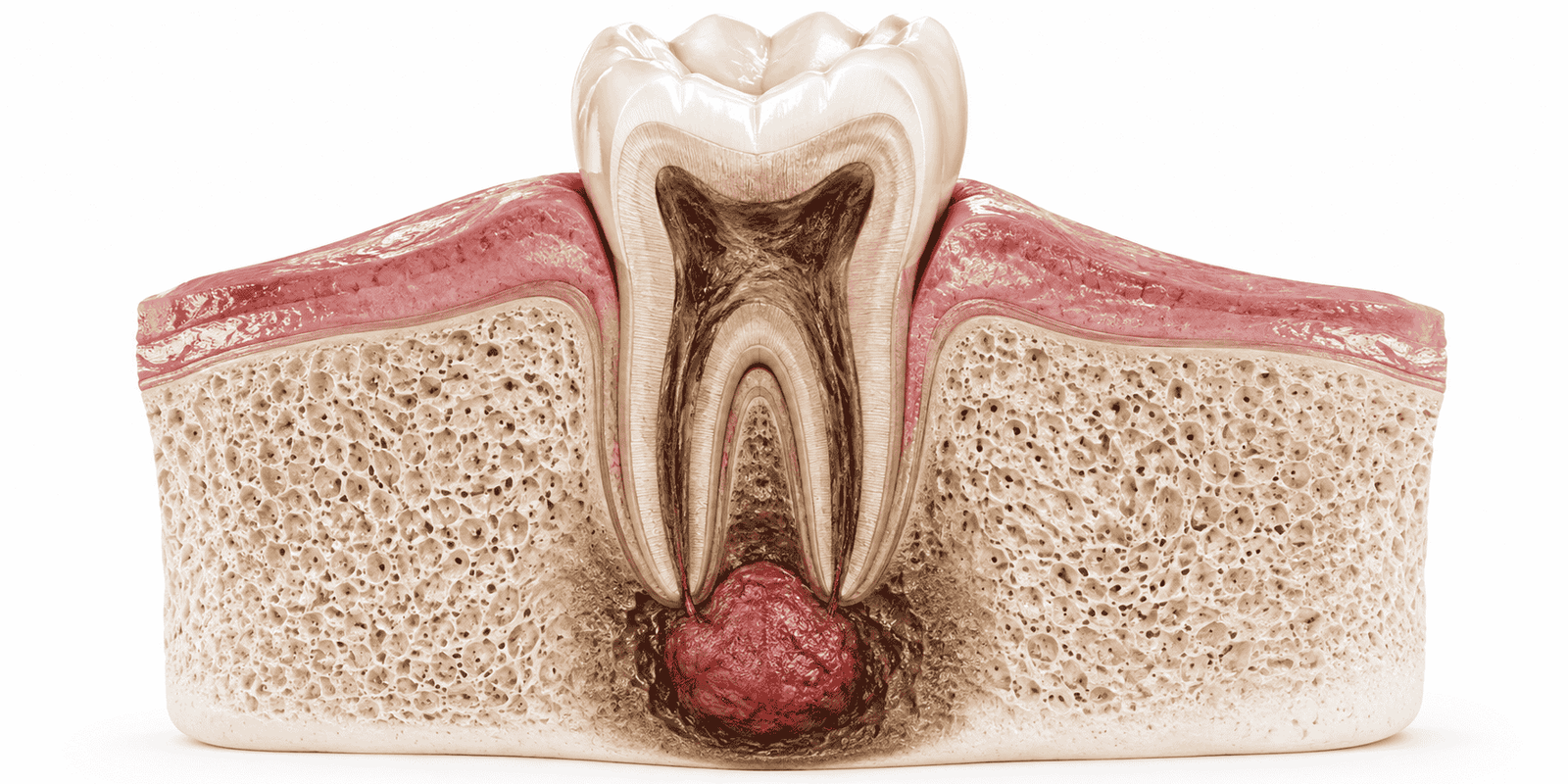
During a root canal, the infected pulp inside the tooth is removed. This pulp contains nerves and blood vessels that keep the tooth healthy and hydrated. Once it is removed, the tooth remains in place but no longer has an internal source of nourishment.
Patients seeking root canal treatment in Karachi often visit the dentist after prolonged pain, deep decay, or infection caused by delayed dental care. In such cases, a significant portion of the tooth structure may already be compromised. After treatment, although the pain is gone, the tooth becomes drier and more fragile over time, making it more vulnerable to cracking during routine chewing.
The root canal saves the tooth from infection, but it does not make it strong again.
Why Is a Crown Commonly Recommended After a Root Canal?
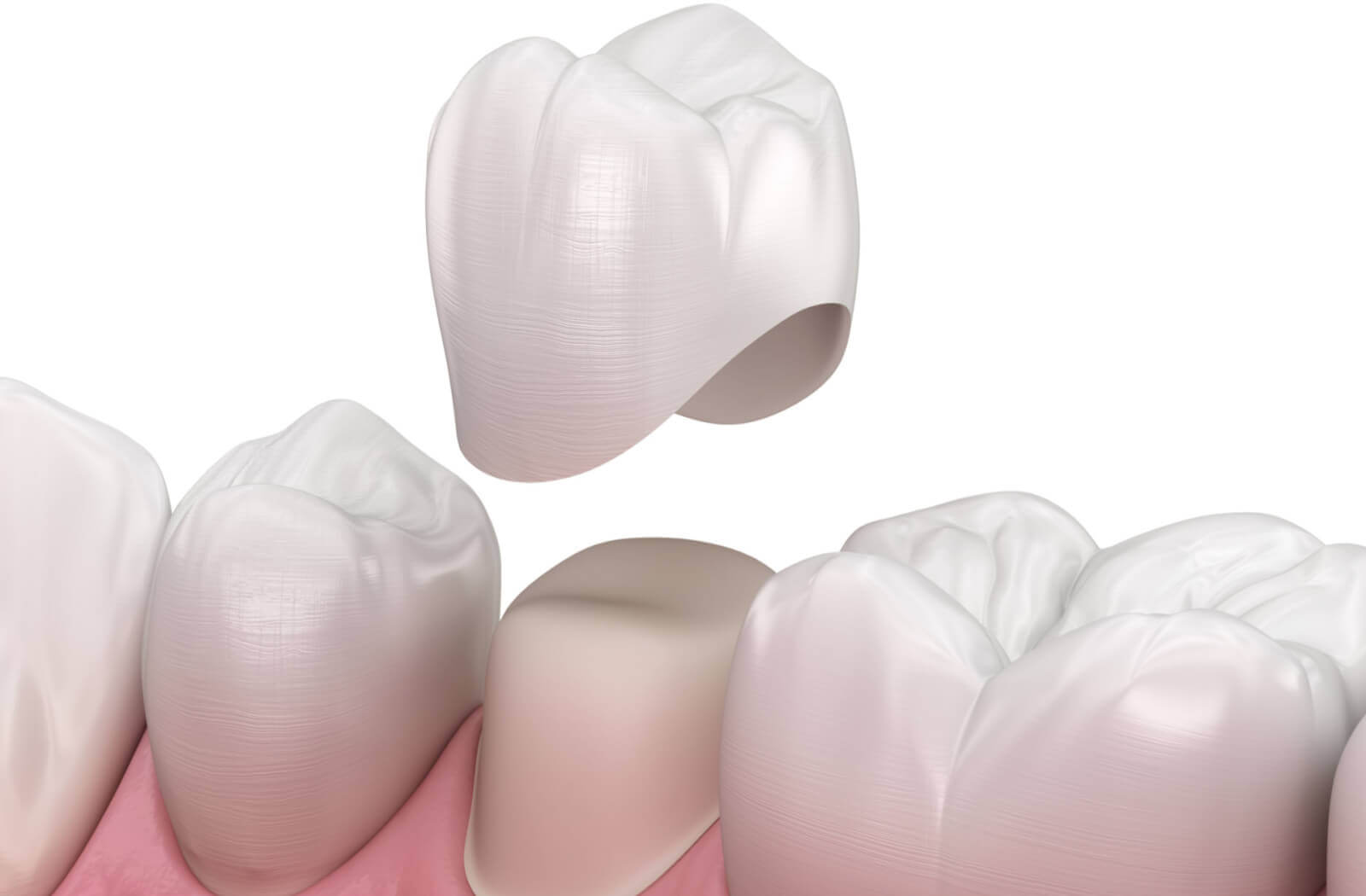
A crown is recommended to protect a tooth that has weakened after treatment. This is especially important when the tooth has lost a large amount of structure due to decay or previous fillings.
In many dental cases seen locally, teeth that undergo root canal treatment already show extensive damage. Without a crown, these teeth are more likely to crack under normal biting pressure. A crown covers the tooth completely and helps distribute chewing forces evenly, reducing the risk of fractures.
Crowns also restore confidence while eating. Patients often avoid chewing on a treated tooth because it feels fragile. A crown allows the tooth to function normally without discomfort or fear of damage.
In addition, crowns help seal the tooth from the outside. This reduces the chances of bacteria entering through weak areas, which is important for maintaining long-term oral health.
Is a Crown Always Necessary?
Not every tooth needs a crown after a root canal, but many do.
Back teeth such as molars and premolars almost always require crowns because they handle most of the chewing force. Teeth with large cavities, repeated fillings, or structural damage are also at higher risk without a crown.
Front teeth may not always need crowns, especially if the damage is minimal and the tooth does not experience heavy pressure. Dentists carefully assess each case before deciding.
What Happens If You Skip the Crown?
Some patients delay getting a crown because the tooth feels fine. However, issues with root canal treated teeth often develop gradually.
Without a crown, the tooth can crack unexpectedly. These cracks may not cause pain immediately, but they weaken the tooth over time. In many cases, once a crack extends deep into the tooth, saving it becomes difficult.
Skipping a crown may appear to reduce costs initially, but it often leads to more complex treatment later.
When Should the Crown Be Placed?
Dentists usually recommend placing the crown soon after the root canal is completed. Temporary fillings are meant to protect the tooth only for a short period.
Delaying crown placement increases the risk of damage, especially when eating hard or sticky foods. Early restoration helps preserve the remaining tooth structure and improves long-term outcomes.
Price Guides
- Hollywood Smile Price
- Metallic Braces Price
- Porcelain Veneers Price
- Wisdom Tooth Extraction Price
- Root Canal Price
Smile Makeover Cost - Teeth Cleaning Price
- Teeth Cap Price
- Dental Bridge Price
- Zirconia Crown Price
Choosing the Right Crown
Selecting the right crown after a root canal is not a one-size-fits-all decision. Dentists consider several factors to ensure the crown protects the tooth properly while also feeling comfortable and looking natural. Understanding these factors can help patients feel more confident about their treatment choice.
Tooth Location and Chewing Pressure
One of the first things dentists evaluate is where the treated tooth is located. Back teeth, such as molars and premolars, handle most of the chewing force. These teeth require crowns that are strong enough to withstand constant pressure from biting and grinding.
Front teeth, on the other hand, are less involved in heavy chewing. For these teeth, appearance often becomes a priority, and crowns that closely match natural tooth color are usually recommended.
Amount of Remaining Tooth Structure
The condition of the tooth after the root canal plays a major role in crown selection. If a large portion of the tooth was removed due to decay or previous fillings, the crown needs to provide extra reinforcement.
Teeth with minimal remaining structure may require additional support, such as a core buildup, before the crown is placed. The goal is to ensure the crown has a stable foundation and can function long term without loosening or breaking.
Crown Material Options
Different crown materials offer different benefits. Dentists guide patients through these options based on durability, appearance, and budget.
Porcelain and ceramic crowns are commonly chosen for visible teeth because they closely resemble natural enamel. Porcelain-fused-to-metal crowns are often used for back teeth where strength is essential. Patients considering dental crown treatment in Karachi can consult with their dentist to choose the material that best suits their tooth location, bite, and personal preferences.
Aesthetic Considerations
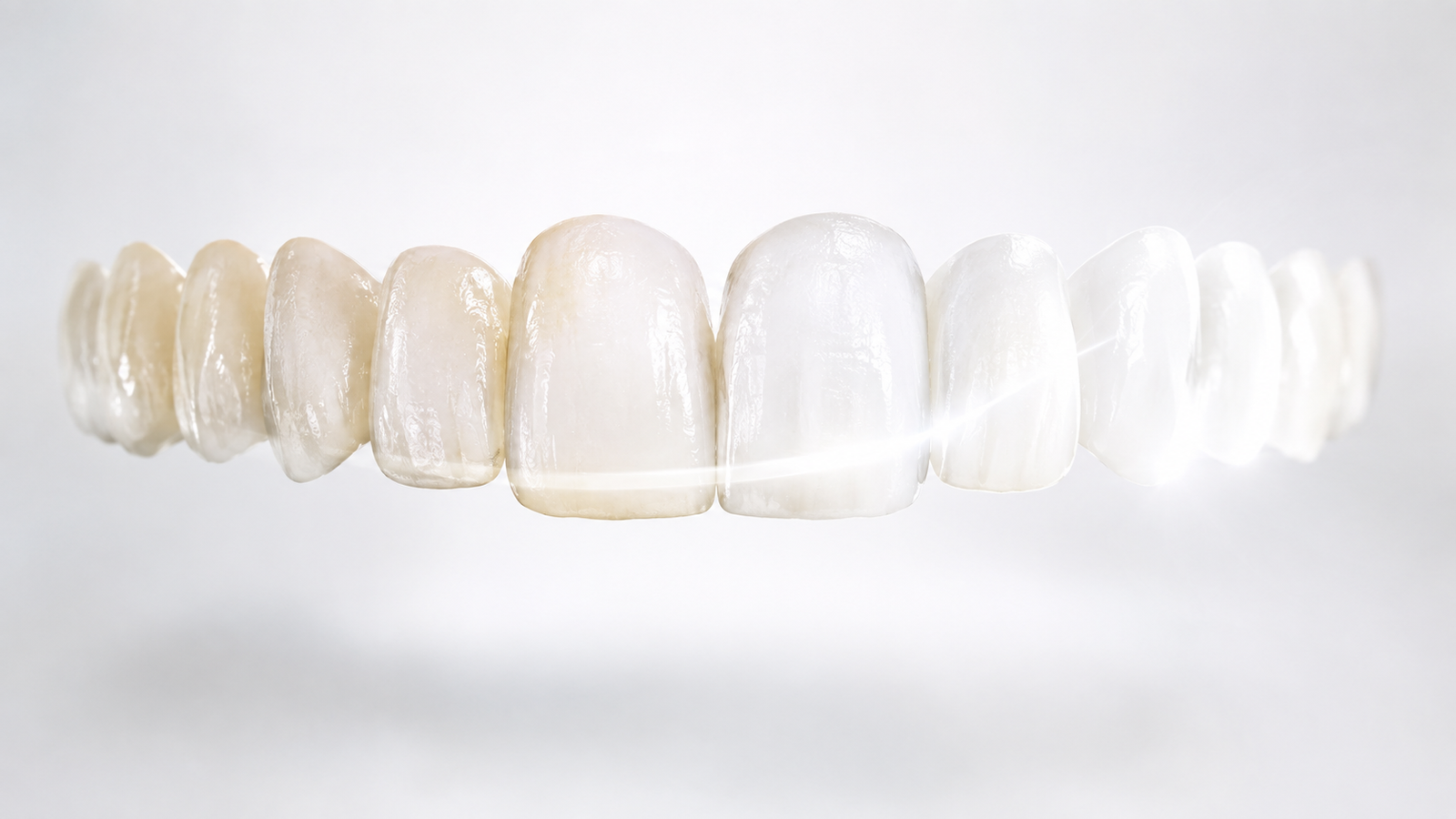
For teeth that are visible when smiling or speaking, aesthetics matter. Dentists take care to match the color, shape, and size of the crown with surrounding teeth. This helps the crown blend naturally and maintain a balanced smile.
Patients can also discuss their preferences, especially if they are concerned about how noticeable the crown will be.
Bite Alignment and Comfort
A crown must fit properly within the bite. If it is too high or misaligned, it can cause discomfort, jaw strain, or uneven wear on other teeth.
Dentists carefully adjust the crown to ensure it feels natural and does not interfere with normal biting or chewing. This step is essential for long-term comfort and oral health.
Lifestyle and Oral Habits
Habits such as teeth grinding, clenching, or chewing hard foods can affect crown choice. Patients with these habits may need stronger crown materials or additional protective measures, such as a night guard.
Discussing daily habits with the dentist helps ensure the crown chosen can withstand routine wear.
How Long Does a Crowned Tooth Last?
With proper care, a crowned root canal treated tooth can last many years. Regular brushing, flossing, and routine dental checkups are key to maintaining its strength.
A crown allows the tooth to function comfortably and reduces the risk of future damage.
Final Thoughts
A root canal removes infection and relieves pain, but it does not restore the tooth’s strength. A crown provides the protection needed to keep the tooth functional and stable over time. While not every tooth requires a crown, most root canal treated teeth benefit from one, especially those that handle chewing.
If you are planning or have already undergone root canal treatment in Karachi, discussing crown placement with your dentist can help you avoid future complications and protect your natural tooth for the long term.
Services We offer:
Titanium Implants | Swiss Implants | German Implants | Korean Implants
Composite Bonding | Fluoride Treatment | Teeth Gap Closure | Invisible Aligners